
Business
Nigeria: Lower oil prices and elections postponement negatively impact Naira
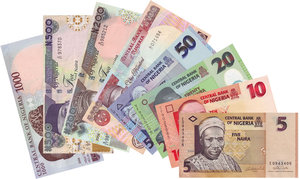
The Nigerian naira slid to a record low on Monday after a 6-week delay to the February 14 presidential election and due to the impact of lower oil prices.
Despite central bank of Nigeria’s intervention, the currency of Africa’s biggest economy and top oil producer closed at 196.50 against the dollar, extending its slide since the start of November to 18 percent.
The currency has been officially pegged at 160-176 to the dollar after an 8 percent devaluation in November but has seldom traded inside that range, fuelling speculation that central bank governor Godwin Emefiele will have to re-rate again.
The central bank’s next policy meetings are on March 23-24, just four days before the rescheduled vote, and then May 18-19, although Emefiele can call an emergency meeting at any time if he wants to.
Last year, the central bank burnt through 20 percent of its reserves as it spent an average of US$20 million a day defending the naira.
Investors also sold Nigerian equities on Monday, with the stock market dropping 2.08 percent. The overnight interbank rate jumped to 60 percent as the central bank sucked up liquidity, putting further strain on an already struggling economy.
The election is pitting President Goodluck Jonathan against former military ruler Muhammadu Buhari, who is channelling public frustration at Jonathan’s handling of the economy and a five-year insurgency by Islamist Boko Haram militants.
This postponement of the presidential elections, ostensibly for reasons of security in the areas affected by the Boko Haram disturbances in the northeast, means Abuja will remain in limbo for another 6 weeks at least, delaying the passage of key laws such as an overhaul of the petroleum sector.
