
Business
Nigeria Loses Top Spot as Africa’s Largest Fuel Importer to South Africa
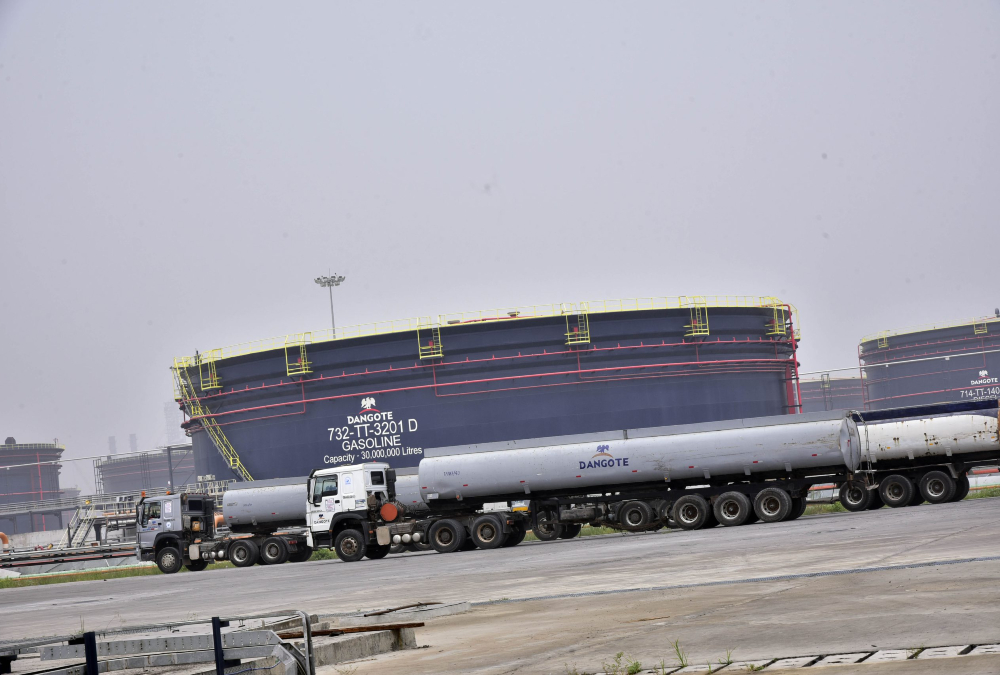
Nigeria, once Africa’s largest importer of refined petroleum products, has been overtaken by South Africa, signaling a significant shift in the continent’s energy dynamics.
This change follows the ramp-up of Aliko Dangote’s US$20 billion oil refinery near Lagos, which began large-scale production in 2024. With a capacity of 650,000 barrels per day, it is the world’s largest single-train refinery and has sharply reduced Nigeria’s reliance on imported fuel.
According to energy consultancy CITAC, Nigeria imported 3.1 million tons of refined products in Q1 2025 – down significantly from previous years – while South Africa imported 4.2 million tons during the same period, securing its new position as the continent’s top importer.
“Nigerian imports are dropping due to the ongoing operation of Dangote,” said Elitsa Georgieva, executive director at CITAC. “South Africa has consistently led sub-Saharan Africa in imports since the start of 2025.”
The Dangote Refinery marks a broader African push to expand domestic refining capacity. Countries such as Uganda, Angola, and Mozambique are investing in local processing, though many struggle to convert plans into output – highlighted by the delays and cost overruns that plagued Dangote’s project before its successful launch.
For decades, Nigeria paradoxically relied heavily on fuel imports despite producing more than 1.3 million barrels of crude oil daily. Now, Dangote’s facility is gradually absorbing more domestic crude, reducing import dependence and easing pressure on foreign exchange reserves.
Meanwhile, South Africa’s growing reliance on imports reflects declining domestic refining capacity. Nearly half of its refining infrastructure has closed since 2020 due to aging facilities, underinvestment, and operational setbacks. Imports now meet over 60 percent of the country’s fuel demand.
The shutdown of Sapref – the nation’s largest refinery, jointly owned by Shell and BP until its 2023 sale to the government – has further strained supply. No restart date has been announced.
Global traders including Glencore and Vitol have stepped in to fill the gap. CITAC forecasts South Africa will import around 15.5 million tons of refined products in 2025 – nearly double Nigeria’s projected 6.4 million tons and far exceeding Kenya’s 8.9 million.
This rising demand has drawn international interest in South Africa’s downstream sector, including Swiss commodities firm Gunvor’s bid for Shell’s retail network.
While Nigeria benefits from reduced import dependency, South Africa faces both opportunities and risks. Increased fuel availability supports economic activity, but reliance on foreign suppliers exposes the country to price volatility, currency fluctuations, and supply disruptions.
