
Business
Nigeria keeping interest rates at 12 percent
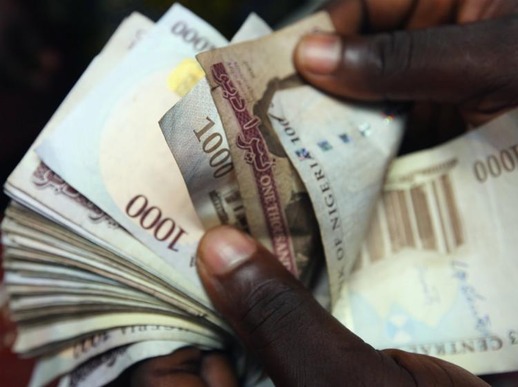
Nigeria held its first Monetary Policy Committee (MPC) meeting after the suspension of central bank governor, Sanusi Lamido Sanusi. The acting governor of the central bank, Sarah Alade, kept the Monetary Policy Rate (MPR) at 12 per cent. Meanwhile the cash reserve ratio on private sector deposits was increased from 12 per cent by 300 basis points to 15 per cent.
The Monetary Policy Committee met against the backdrop of a challenging economic environment particularly in emerging markets coupled with the unfolding risks of stability in the domestic economy. According to Alade, “In attendance were 10 members, the committee reviewed key economic developments in both the global and domestic economies up to March 2014 and the remaining outlook for the rest of the year.”
Furthermore, she also pointed out that the recovery of the global economy could accelerate further in 2014 relative to 2013 as a result of an increased domestic demand in the advanced economies and a rebound of exports in emerging markets. Despite the International Monetary Fund projecting a global growth increase from 3 per cent in 2013 to 3.7 per cent in 2014 and then to 3.9 per cent in 2015 which include tight financial conditions since mid-2013 as well as political uncertainty, growth in most of the emerging economies is expected to increase from 4.7 per cent in 2013 to 5.1 per cent in 2014.
The acting governor went on to say, “Reflecting the expansion in economic activities, an upward pressure is expected in global price levels in 2014. Global inflation is projected at 2.71 per cent in 2014 representing an increase of about 40 basis points in relation to estimates from 2013.” She then added that as inflation forecasts indicate that food inflation may not grow beyond the current levels, especially with bumper harvests expected in 2014, the core inflation could rise.
According to Alade, frontier markets were positioning themselves to attract higher capital inflows by reining their policy rates to contain inflation and also stay competitive. Meanwhile, oil prices remain relatively high whilst production was improving and there were signs of accretion to external reserves.
Alade also considered the success of monetary policy in attaining price and exchange rate stability, the potential headwinds in 2014, the ultimate goal of transitioning to a truly low inflation environment and the need to retain portfolio flows. The committee unanimously voted for further tightening of the monetary policy but were divided over the instruments. While some voted for an increase in the MPR to obtain and attract more inflows, other members felt that such increases could impact access to credit and domestic growth negatively.
Source: CNBC Africa
