
News
Nigeria: Goodluck Jonathan sparks change, but not the kind he hoped
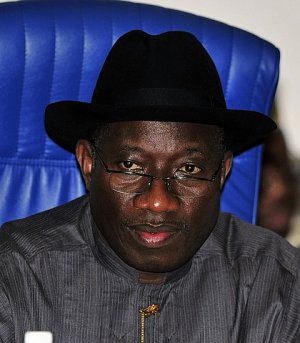
Many agree that he was well-intentioned in seeking to end the subsidy programme, long viewed as riddled with corruption, and use much of the US$8 billion a year in savings on sorely needed infrastructure.
But the move was widely seen as clumsily handled and badly timed, with the government already under intense pressure over its inability to stop spiralling attacks blamed on Islamist group Boko Haram.
The result was that a president whose career has often been described as accidental, having advanced through a series of unexpected circumstances, including the death of his predecessor, set off change he in no way planned.
Protests were nominally about subsidies, but built into something larger, allowing Nigerians to vent pent-up anger over corruption.
Demonstrators asked why lawmakers are granted allowances believed to take their pay to more than US$1 million a year and why the corrupt were not being arrested.
“We will not back down,” Julius Godstime, a 36-year-old civil engineer, said at the main protest site in Lagos where some 10,000 gathered daily last week. “People are dying. People are suffering.”
The strike and protests that began January 9 – attracting some of Nigeria’s most famous names, including children of the late legendary musician Fela Kuti – were set to resume on January 16 after a weekend pause.
But Lagos residents awoke that day to the president’s early morning announcement of the price reduction – and to military lockdown.
