
News
Nigeria: Goodluck Jonathan sparks change, but not the kind he hoped
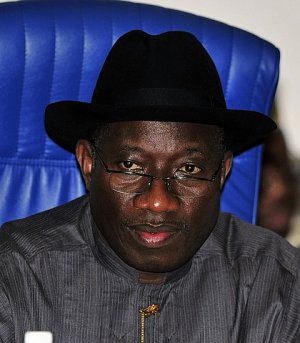

Nigeria’s easygoing president Goodluck Jonathan (pictured), made a rare display of emotion when he addressed a private meeting on an arcane-sounding policy that would become one of the most consequential in his nation’s recent history.
“The impression that he gave was that he’d rather die than not do it,” said Clement Nwankwo, the head of the Policy and Legal Advocacy Centre who was among civil society leaders President Goodluck Jonathan spoke to at the meeting.
A short time later, on January 1, Jonathan would abruptly and without warning launch the policy ending fuel subsidies in Africa’s largest oil producer and most populous nation, causing petrol prices to double overnight.
The move led many long-suffering Nigerians, to accuse the government of trying to kill them economically.
It also brought tens of thousands onto the streets in protest, particularly in the giant economic capital Lagos, and caused a strike that shut down the country for more than a week, costing Nigeria an estimated US$1.3 billion.
But perhaps most importantly, many say it was the birth of a newfound realization for those long fed-up with corruption in a country rich with oil but unable to supply even basic services, including adequate electricity.
A new generation of Nigerians have now seen that they can ask questions and force change, analysts said, in a country long accustomed to expecting little from their leaders, who included a series of military rulers prior to 1999.
“People have realized that they have the power now,” said Thompson Ayodele of the Initiative for Public Policy Analysis think tank.
