
News
Nigeria: Goodluck Jonathan sparks change, but not the kind he hoped
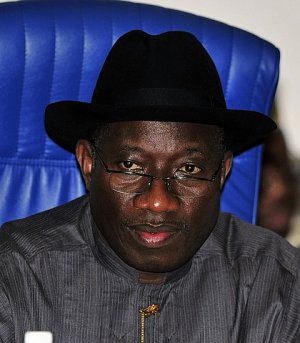
Jonathan was forced to compromise on his policy after more than a week of protests and strikes by reducing petrol prices by about 30 percent.
It was by no means an outright victory for protesters, but it managed to put the government on notice.
“People are going to stand their ground and they will demand more from the government,” said Sola Oluwadare of the African Institute for Applied Economics.
There have been mass protests before in Nigeria, particularly major demonstrations over the cancellation of 1993 presidential elections.
But a number of factors have led some to describe the recent protests as unprecedented, including the manner in which they united a country so often divided along ethnic and religious lines.
They were also better organized than previous protests, with social media like Twitter assisting, and recent uprisings in Arab nations served as inspiration, many analysts have said.
The main protests were largely peaceful, with organizers keen not to provoke security forces, and many demonstrators gathered under the Occupy Nigeria label, in reference to the Occupy Wall Street protests in the United States.
Beyond that, Jonathan took a significant hit to his credibility.
