
News
New CARICOM head takes over bloc in disarray
Irwin LaRocque knows the next three years will not be easy for him and the Caribbean regional integration movement.
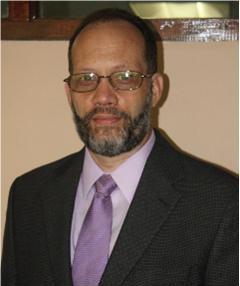
As he basks in the congratulatory messages coming from countries near and far, Irwin LaRocque knows the next three years will not be easy for him and the Caribbean regional integration movement.
Last week, more than six months after LaRocque’s predecessor, Sir Edwin Carrington, tendered his resignation, regional leaders named the 56-year-old Dominican national as the seventh secretary general of the 15-member Caribbean Community (Caricom).
“You have been an active participant in some of the more recent discussions for the strengthening of the regional integration movement, one of the oldest in the world, and that I am therefore confident that you will bring a new and refreshing perspective on advancing the Caricom integration process in the 21st century,” said the secretary general of the Organization of American States (OAS), José Miguel Insulza, in a congratulatory message.
The Jamaica Observer newspaper noted that despite the inevitable flurry of perfunctory letters of congratulations, LaRocque must be “fully aware that his honeymoon, if it can be called that, will be short lived.
“His first task will be to gain the confidence of the political leadership and senior officials of the region. What nobody has said openly is that in the leadership of the region there is widespread concern ranging from disappointment to resignation,” the paper said in an editorial.
Since 2005, LaRocque has served as the assistant secretary-general for trade and economic integration at the Guyana-based Caricom Secretariat.
“I am humbled and privileged for this opportunity to continue my service to the governments and people of the Caribbean Community,” he said in a brief statement.
Announcing the selection of LaRocque from a field of five candidates, Caricom Chair and St. Kitts and Nevis Prime Minister Dr Denzil Douglas said his colleagues believed that the new man “possesses the requisite skills of visionary leadership, courage and commitment required to guide the Community at this time of change and uncertainty”.
He stressed that the pace at which the region moves forward will be largely determined by the results of a number of studies recently commissioned by the 38-year-old grouping.
“That is why to a large extent we have insisted to the consultants who are doing the review of the Secretariat ‘get your work done as quickly as possible because we are at the point where maybe a crisis is unfolding and we need to be able to stop it in its tracks and move forward with some new vigour, some new action especially on the part of the people of the region,” he told reporters.
