
Business
Namibia Aims for 7% Growth, Targets Return to Upper-Middle-Income Status by 2030
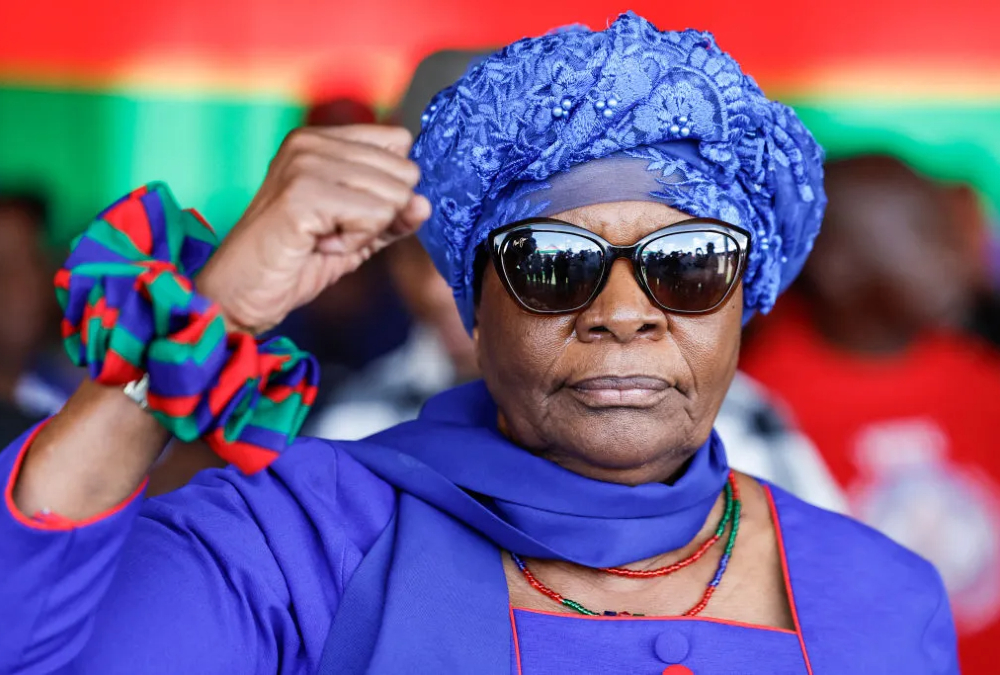
Namibia has launched an ambitious five-year development plan targeting an average annual economic growth rate of 7 percent, with the goal of regaining upper-middle-income status by 2030.
The move comes after the World Bank recently reclassified the southwest African nation as a lower-middle-income country, following a dip in gross national income per capita below the US$4,496 threshold, driven by slowing economic growth and rising population levels. GDP expanded by 3.7 percent in 2024, down from 4.4 percent in 2023, largely due to a slump in mining output.
In a statement accompanying the release of the new National Development Plan, President Netumbo Nandi-Ndaitwah described the downgrade as a “temporary setback” and reaffirmed the government’s commitment to lifting per capita income above US$6,000 within six years.
“The vision is clear: sustainable, inclusive growth that returns Namibia to its rightful place among upper-middle-income nations,” President Nandi-Ndaitwah said.
Central to the strategy is a major push into green hydrogen, renewable energy, and value-added manufacturing. The government aims to nearly double renewable energy capacity by 2028 and create 30,000 green jobs by 2030.
Green hydrogen is expected to serve as a cornerstone for industrial expansion and clean energy exports, positioning Namibia as a regional leader in the emerging low-carbon economy.
As one of the world’s top uranium producers, Namibia is also leveraging its rich critical minerals sector. The country anticipates first production from offshore oil and gas reserves by 2029, which could significantly boost export revenues and energy security.
The plan also targets increasing the manufacturing sector’s share of GDP to 18 percent from the current 15.6 percent, diversifying the economy beyond traditional resource extraction.
Funding will come from a mix of domestic and international public and private investment, with future resource revenues – from mining, oil, gas, and green hydrogen – earmarked for strategic infrastructure and human capital development.
With bold targets and a clear roadmap, Namibia is betting on innovation and sustainability to power its economic resurgence.
