
Business
Mozambique Accelerates Push to Become Southern Africa’s Energy Hub
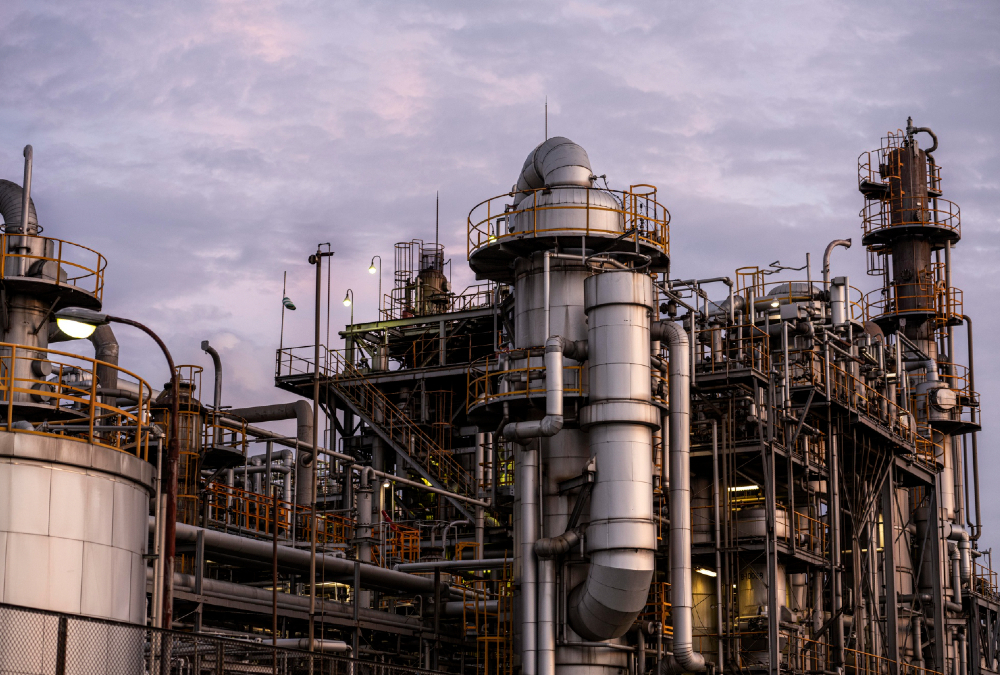
In recent years, Mozambique has ramped up investments in its oil and gas sector, aiming to reshape its energy landscape and fuel economic growth. With strategic infrastructure projects, international partnerships, and regulatory reforms, the country is positioning itself as a key energy player in southern Africa.
A major milestone came when Petromoc, the state-owned energy company, announced plans to build the country’s first oil refinery – a move inspired by Nigerian business magnate Aliko Dangote’s ambitious refining project. The initiative, undertaken in partnership with Nigeria’s Aiteo through a memorandum of understanding, aims to boost Mozambique’s storage capacity for liquid fuels and liquefied petroleum gas (LPG), while also supporting regional supply chains.
President Daniel Chapo highlighted the project’s benefits: “The refinery will reduce our dependence on imports, create jobs, and contribute significantly to GDP.” Set to produce gasoline, diesel, naphtha, and Jet A1, the facility is expected to be operational within two years.
Currently, Mozambique relies heavily on imported refined petroleum products – primarily from India, Saudi Arabia, Bahrain, Malaysia, and the UAE. Developing domestic refining capacity marks a critical step toward energy self-sufficiency.
Regional Integration and Infrastructure Development
Beyond refining, Mozambique is deepening regional ties through energy infrastructure. In collaboration with Zambia, the two nations have agreed to construct a US$1.5 billion gas pipeline stretching from Beira to Ndola.
The four-year project includes the development of storage facilities in both countries and aims to enhance energy security while strengthening economic cooperation.
Meanwhile, international financing is breathing new life into Mozambique’s LNG ambitions. In March 2025, the U.S. Export-Import Bank approved a US$5 billion loan for the long-delayed Mozambique LNG project led by TotalEnergies.
Once operational – now projected for 2029 – the project will be a cornerstone of the country’s gas export strategy.
This follows earlier support for an Eni SpA-led offshore LNG project, which faced setbacks due to security and environmental concerns. Despite these challenges, Energy Minister Estevão Pale emphasized the strategic importance of LNG for both national development and global energy markets.
TotalEnergies CEO Patrick Pouyanné reaffirmed the company’s commitment to resuming operations on schedule.
Africa’s Expanding Oil and Gas Landscape
Across Africa, oil production remains concentrated in traditional powerhouses such as Nigeria, Angola, Algeria, Libya, and Egypt – all producing hundreds of thousands of barrels per day. Other notable producers include the Republic of the Congo, Gabon, Equatorial Guinea, South Sudan, Ghana, Cameroon, Chad, and Tunisia.
New players are now emerging. Rwanda recently joined the ranks of oil-rich nations after announcing the discovery of 13 reservoirs beneath Lake Kivu, shared with the Democratic Republic of the Congo.
Currently reliant on imports, Rwanda is poised to become a local producer – joining the continent’s growing hydrocarbon map.
Namibia, already a top global supplier of uranium, is also set to enter the oil and gas arena. Major finds by companies like TotalEnergies and Shell suggest around 2.6 billion barrels of recoverable reserves, with commercial production expected as early as 2029.
As exploration expands and infrastructure develops, Mozambique – and the broader African continent – are steadily transforming their energy futures.
