
Business
Mobile money use in Africa results in increased revenue for utility companies
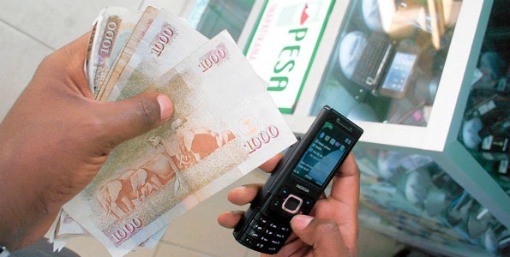
An Oxford University study has revealed how the use mobile technology in Africa has dramatically increased the amount of money that water utility companies actually receive from the customers they bill.
According to World Bank data, water utility companies across Africa had been losing around US $500 million a year due to ineffective billing and petty corruption.
The study shows how the amount paid by customers in Tanzania rose by between 5 percent and 69 percent in 2011 after mobile money services were introduced in 2009.
The study focussed on one of Africa’s fastest growing cities, Dar es Salaam in Tanzania, where half of the population now subscribes to some form of mobile technology.
Traditionally water users had to make journeys to the public utility offices where they face long queues before handing over cash to pay for their water bills.
Under the new system, water utility users were given the option to pay their water bills from any location, at any time, and at any point in the billing cycle via mobile money services or pay points at local shops. Mobile money and banking services are SMS/text message-based payment systems that allow customers to deposit, withdraw, transfer and store money though accounts linked to SIM cards.
Wireless pay point networks rely on people handing over cash at mobile-enabled devices at shops like pharmacies, grocery stores or gas stations.
