
Business
Mobile money use in Africa results in increased revenue for utility companies
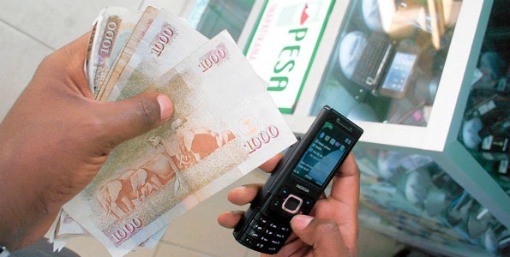
In Dar es Salaam, by the end of 2011 over one quarter of customers had tried mobile methods and over 15 percent of all payments were made via mobile money and wireless pay points.
Mobile subscriptions in Africa are expected to reach over 700 million by 2016. At present, penetration rates are 69 percent in Kenya and 42 percent in Uganda so the implications of the study are significant.
Speaking at the Skoll World Forum at Oxford University on Friday, Dr Rob Hope, Director of the Oxford Water Futures Program at the School of Geography and the Environment at Oxford University, said: “Insights from the Wireless Water analysis in Dar es Salaam provide new evidence of significant and untapped opportunities to improve the performance of water utility companies across urban Africa.
Such mobile enterprises provide faster and more secure payment transactions and through improving financial performance, this should drive up the quality of service provided by water companies.”
Researcher Aaron Krolikowski, from the School of Geography and the Environment at Oxford University, said: “Water utility companies in Africa had often struggled to provide satisfactory water supplies to meet the demands of their rapidly growing cities. This challenge was even greater when you factored in the amount of money lost due to the many layers of bureaucracy traditionally involved in revenue collection.
Mobile technology has transformed the way payments can be made, increasing efficiency and transparency, lessening the potential for theft, bribery and collusion.”
The researchers analyzed water utlity company data of one million water payments using different payment methods, and conducted interviews with water customers, water sector officials and people working in the telecommunications industry.
