
Business
M-PESA, mobile money: Kenya leads the world
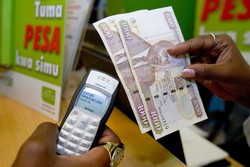

Click a few keys, exchange a few numbers, and it’s done. With just a mobile phone and a registration with Safaricom, Kenya’s mobile service giant, you can pay for anything in seconds – no cash, no long journeys to towns to reach a bank, and no long lines when you get there. This is M-PESA, the revolutionary approach to banking which is changing economies across Africa.
The service allows customers and businesses to pay for anything without needing cash, a bank account, or even a permanent address. In today’s Digital Diversity, in honour of its recent fifth birthday, we present a beginner’s guide to M-PESA and examine its implications for financial access in developing economies.
(More: An African idea about to go global)
In the developed world, we are used to the idea that we created the model of industrial and economic progress which other countries must follow. Many of our big ideas about development rest on the assumption that the West cracked the formula for economic progress sometime in the 19th century, and what we need now is for the developing world to ‘catch up’. Even the language we use encapsulates this idea, in the division between ‘developed’ and ‘developing’. But new innovations are challenging the idea that development requires handing ideas down from developed to developing.
In banking and finance, the big ideas in cashless transfers and mobile, flexible exchanges are not to be found in Geneva or London or New York. A revolution in mobile money transfer has occurred, but not in these financial centres. Instead, it’s happened in Kenya, with M-PESA.
