
Business
Kenya or Uganda, Who gets oil first?
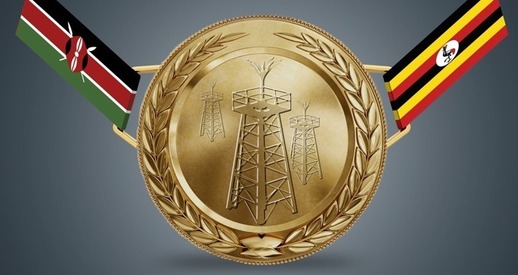
The race is on between Kenya and Uganda to become East Africa’s first commercial oil producer. Both countries plan to start oil production within the next few years, and regional cooperation will be necessary for infrastructure projects to move ahead. The Ugandan government signed a memorandum of understanding with France’s Total, the United Kingdom’s Tullow and the China National Offshore Oil Corporation (CNOOC) on February 5th, after more than a year of slow negotiations.
In Uganda, Tullow discovered an initial field containing an estimated 1.1 billion barrels in 2006, but current plans call for production by 2018 at the earliest. CNOOC signed a production contract for the Kingfisher field last year, while Tullow and Total await the signature of a series of contracts.
Rather than jumping into action following the signing of the February memorandum, Total has been cautious, while Tullow has been confrontational, showing its frustrations at the pace of development. Tullow’s chief operating officer Paul McDade told the Wall Street Journal on 12 February that the company could reduce its activities in Uganda to finance its projects in Kenya because the fields there are easier to exploit and the government is more supportive.
Tullow said that Kenya could beat Uganda to become East Africa’s first oil exporter by starting exports in 2016. When asked for comment on the developments, Total Uganda’s corporate affairs manager, Ahlem Friga-Noy, urged patience and said: “Detailed discussions will soon take place between the government of Uganda and the partners to identify the concrete steps and actions to be taken to ensure a smooth implementation of the memorandum.”
One of the causes of delay has been the Ugandan government’s insistence on building an oil refinery. The planned refinery will have an initial capacity of 30,000 barrels per day, which could be raised to 60,000. The government has shortlisted six companies that could build the plant and expects to announce a winner in the first half of this year. It wants a private sector company to take up a 60% shareholding, while the government takes the remaining share.
Refining the excuses
Progress on the refinery is not going according to plan, however, owing to difficulties in compensating families living around the 29 sq km site in Kabaale, Hoima District, in western Uganda. A draft December 2013 report on development in the region around Lake Albert, where the oil is found, said that many households were dissatisfied with the payout, while others quickly spent the money without developing plans for re- settlement. It suggests that this could further delay the refinery.
President Yoweri Museveni’s government wants countries in the region to purchase small stakes that will reduce its total shareholding in the refinery. At least $12 billion of investment is needed for Uganda to produce oil by its target year of 2018. That includes a planned pipeline, which is expected to cost between $2.5bn and $5bn, to reach the Kenyan coast at Lamu or Mombasa.
