
Business
Kenya: Massive privatization of sugar industry to take place over the next year
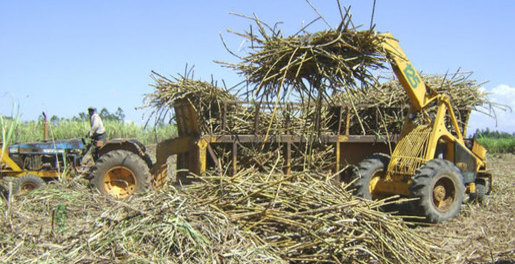
Kenya will offer five state-owned sugar companies for sale to private investors over the next year after writing off Ksh59 billion (US$611 million) of debt, the Privatization Commission said.
Kenya plans to sell its stakes in Nzoia Sugar Co., South Nyanza Sugar Co., Chemelil Sugar Co., Muhoroni Sugar Co. and Miwani Sugar Co. to make the industry “more viable,” the commission said in a May 15 statement.
The companies accounted for about 10 percent of the 592,100 metric tons of sugar produced in Kenya last year, according to Kestrel Capital (East Africa) Ltd., a Nairobi-based brokerage.
“Government reached the decision of bailing them out completely so that the firms would look attractive to investors,” Henry Obwocha, the chairman of the commission, said in an interview on May 18 in the capital, Nairobi. Of the total debt, the Kenyan tax payer was owed Ksh35 billion (US$362 million), suppliers and farmers Ksh6 billion (US$62 million), and other creditors and taxes amounting to Ksh13 billion (US$135 million), he said.
The east African country is working to overhaul its sugar industry, which is beset by problems including dilapidated factories, insufficient funding and inadequate research. Domestic production costs can be as high as US$900 per ton of refined sugar, compared with as little as US$300 per ton in countries in the 19-nation Common Market for Eastern and Southern Africa (COMESA) bloc, according to Kenya’s state-run Sugar Directorate.
Production of the sweetener accounts for 15 percent of Kenyan agriculture, which makes up more than a fifth of the country’s US$55 billion economy, Sugar Directorate data shows. The industry employs at least 250,000 people. The country usually fills an annual sugar deficit of about 200,000 tons with imports from the region.
The objectives of privatizing the millers include enhancing competitiveness and diversifying into “co-generation of power, ethanol production and other value-added products,” according to the commission.
The government plans to sell 51 percent stakes in the companies to a “strategic partner,” and a further 24 percent to both growers and employees, Obwocha said. The government, which currently owns at least 98 percent of each of the five producers, will retain a 25 percent interest in them, he said.
“We are not ruling out the possibility of a foreign strategic investor,” Obwocha said.
Kenya is also completing plans to sell the state’s stakes in a number of hotels, he said. Manufacturing companies and financial institutions are also being lined up.
