
Business
Intel becomes the latest tech firm to seek partnerships with African tech hubs
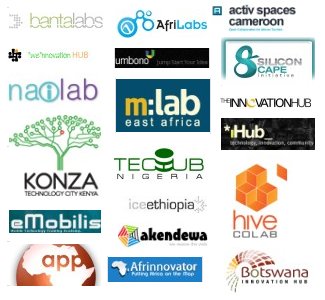
The partnership will also include members of the academic community from local and regional universities. “We are going to involve the academic community whose major role will be developing a better curriculum so that the students are ready for the job market by the time they leave. They will also run developers’ competitions,” Steyn said. The universities have not been selected yet.
In its first phase, the program will be rolled out in Kenya, South Africa and Nigeria, and spread to other countries starting with the East African region.
“With this arrangement, our developers will have access to PCs and laptops with advanced specs such as facial recognition, voice recognition and gesture control, which can be instrumental in creating high quality applications. The software development scene in Africa is active, but still nascent, and we are happy to partner with Intel,” said iHub research director Jessica Colaco.
Intel is hoping to use the program to improve its business prospects in a region where Silicon Valley giants have revised their African strategies to maximize their share of the fast-growing ICT market driven by the huge technology uptake.
In a visit to Nairobi last month, IBM president and chief executive officer Ginni Rometty said the firm has developed a special attachment to Kenya, and Africa at large, as a potentially big market for its products.
In a separate effort to improve the skills of the local developer community, the company has launched a research lab in Nairobi, the first in Africa and one of the only 12 IBM research labs across the world.
The lab is being constructed at the Catholic University of East Africa, and will leverage on IBM’s technology and data analytics to develop products and services that are expected to solve some of the region’s problems. The firm is now in the process of recruiting qualified scientists regionally.
