
Business
How Trump’s Shadowy Diplomacy Backfired in the Democratic Republic of Congo

By Mark-Anthony Johnson
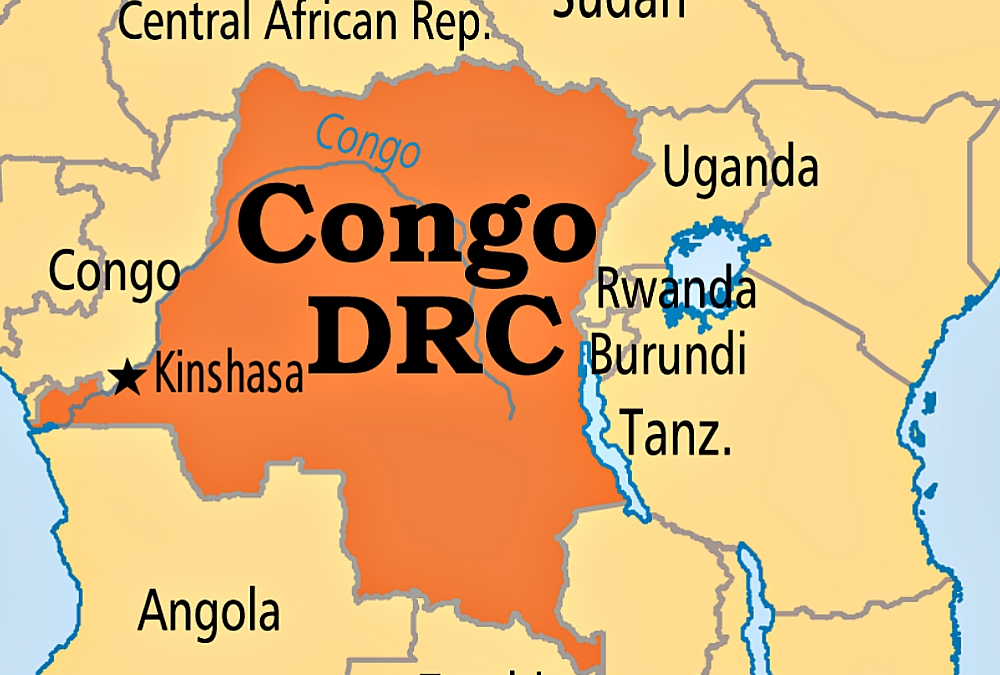
In March, a covert U.S. mission to secure the release of three American prisoners in the Democratic Republic of Congo (DR Congo) collapsed spectacularly – ending not with a deal, but with its participants fleeing the country in fear of arrest.
The envoys – a former State Department official, a decorated Green Beret, and an Israeli-American businessman – arrived in Kinshasa bearing a message from the Trump administration: release the Americans on death row, and President Donald Trump would support Congo’s proposed minerals-for-security agreement.
Initial signs were promising. The group received a police motorcycle escort from the airport.
But things quickly soured after a tense meeting with President Félix Tshisekedi’s security adviser, followed by erratic behavior – including unauthorized late-night firearms practice – and interference from a disgruntled Congolese general.
Reuters reconstructed the failed operation through interviews with the American envoys, a State Department official involved in the effort, and two local contacts they met during their short stay.
A Mission Built on Miscalculation
This previously unreported episode reveals how far the Trump administration was willing to go – using unconventional intermediaries – to bring Americans home, a key foreign policy priority under Trump.
“We look for people who have access and influence,” said Dustin Stewart, then-deputy special envoy for hostage affairs. “We believed they had the right connections. That clearly didn’t pan out.”
The DR Congo has emerged as a strategic hub for U.S. interests – both in stabilizing the conflict-ridden eastern region and securing access to critical minerals essential for tech and defense industries. Yet this incident highlights the risks of bypassing traditional diplomacy for back-channel deals.
Ebenezer Obadare, a senior fellow at the Council on Foreign Relations, noted that Trump’s approach signaled a sharp break from precedent. “He made it clear early on – he was running a transactional foreign policy. He wasn’t playing by the old rules,” Obadare said.
The Cost of Going Off-Book
While the goal was noble – securing detained Americans – the means exposed the vulnerabilities of operating in the shadows, where relationships can be misjudged, egos inflamed, and missions derailed by poor judgment.
As the U.S. continues to navigate complex global alliances, this cautionary tale from Kinshasa serves as a reminder: diplomacy may be slow, but shortcuts often come at a cost.
Mark-Anthony Johnson is the founder and CEO of JIC Holdings, a global asset and investment management firm founded in 2009. With over 30 years of experience and strong ties to Africa, his investments span mining, infrastructure, power, shipping, commodities, agriculture, and fisheries. He is currently focused on developing farms across Africa, aiming to position the continent as the world’s breadbasket.
