
Life
HBCUs play a vital role in education and need more funding
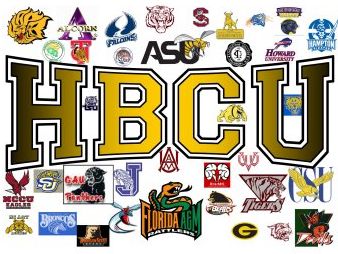
Historically black colleges and univerisities (HBCUs) have produced 25 percent of America’s black college graduates and most of the black doctoral degree recipients, according to the National Center for Education Statistics. Enrollment at HBCUs has risen since the mid-1980s, from about 70,000 students to almost 300,000.
Unfortunately, a long history of chronic underfunding, classrooms with broken air conditioners and tattered library books have handicapped many of the nation’s 105 historically black colleges and universities in their quest to deliver quality education and research.
By 2020, black and Latino children are expected to comprise 50 percent of the nation’s students. Many will find their way to minority-serving institutions, an almost sure path for first-generation students seeking a sliver of the American Dream. That’s why ample funding to these institutions (including HBCUs) is necessary if we want to put America ahead in a global society where brainpower is premium.
This week, the White House will host a summit devoted to strengthening the future of HBCUs. President Obama has already recognized the importance of the schools. Tucked inside H.R. 4137, Title 3, the Reauthorization of the Higher Education Act passed in 2009, is an increased budget line to HBCUs and other minority serving institutions. Meanwhile, about 90 HBCUs, including those in Maryland and the District received another round of that funding . However, this slight increase to avert a long trend of decreased funding since the Carter administration is barely enough for the huge task at hand.
