
News
Haiti: Transitional council names a new prime minister
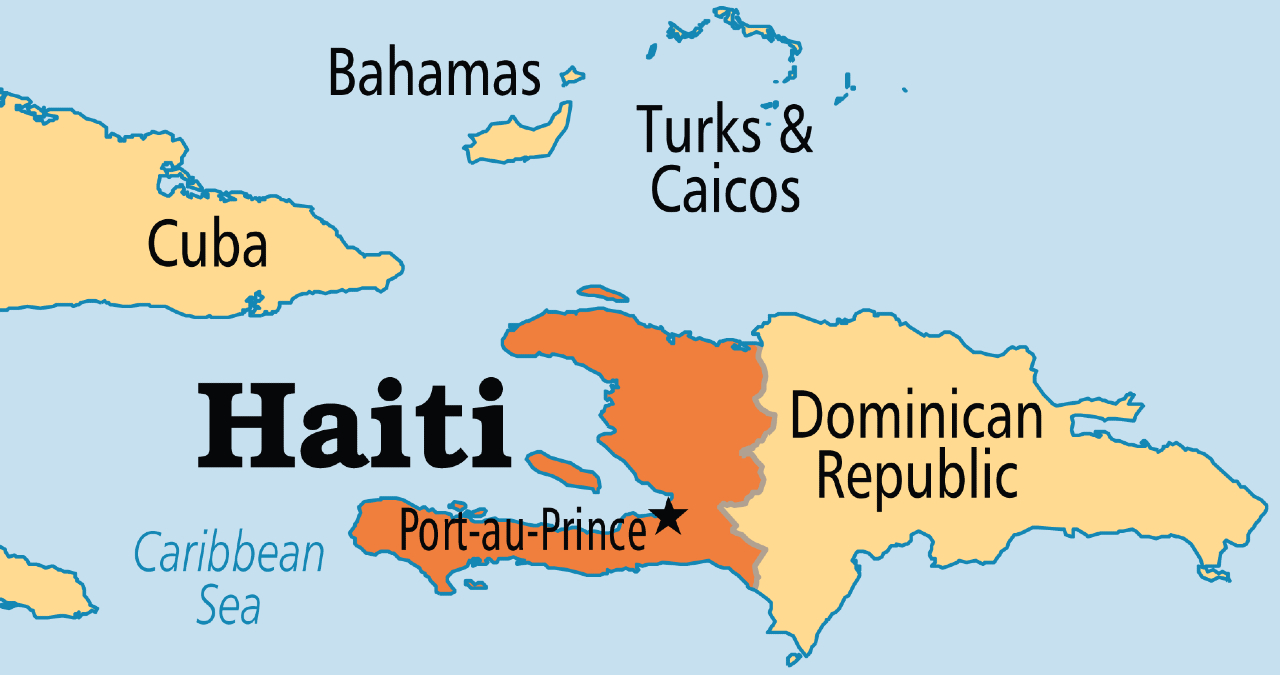
AP | Haiti’s newly installed transitional council chose former Sports Minister Fritz Bélizaire as the Caribbean country’s prime minister Tuesday as it presses forward in its monumental task of trying to establish a stable new government amid stifling violence.
Bélizaire replaces Michel Patrick Boisvert, the former minister of economy and finance who was the current interim prime minister. Bélizaire is little known and even some members of the council said they were unfamiliar with him.
The nine-member transitional council, seven of whom have voting rights, was choosing a new prime minister and Cabinet in a bid to help quell gang violence that is choking the capital, Port-au-Prince, and beyond. Bélizaire had the support of four of the council’s voting members.
Earlier on Tuesday, the council chose Edgard Leblanc Fils, a former presidential candidate, as its president.
“This is a very good choice for prime minister,” Fils said of Bélizaire during a brief speech to nearly two dozen attendees. “The important thing for us is this will, this determination to go beyond divisions, to overcome conflicts and to reach a consensus.”
He said the council met Monday with army and police officials to talk about Haiti’s security crisis and how best to resolve it.
“We are publicly recognizing the suffering,” he said of the population.
The announcement of Bélizaire came as a surprise. A murmur rose through the attendees as officials announced that four council members with voting powers had selected Bélizaire as prime minister.
Bélizaire served as Haiti’s sports minister during the second presidency of René Préval from 2006 to 2011.
Council member Louis Gérald Gilles, who supported Bélizaire, told The Associated Press that the council wanted to act quickly in choosing a prime minister.
“The Haitian population can no longer wait,” he said. “The security issue is essential for societal calm.”
The transitional council will act as the country’s presidency until it can arrange a presidential election some time before it disbands, which must be by February 2026.
The council is expected to support the U.N.-backed deployment of a Kenyan police force to help fight gangs, although it’s unclear when that might happen.
