
Business
Great week in Angola for the Angola oil and gas conference
By NJ Ayuk
Angola has successfully transitioned from being a declining oil producer to becoming a key destination for global oil investments.
The petroleum industry remains the backbone of Angola’s economy, accounting for over a third of the nation’s gross domestic product and more than 90 percent of its exports. It also contributes approximately 70 percent of the government’s total revenue and is the country’s largest source of foreign direct investment.
Despite a declining trend in crude oil production due to aging fields, Angola remains a significant player in the sector, producing over 1.1 million barrels per day as of September 2024. To sustain and potentially increase production, the government is actively encouraging foreign investments in underexplored offshore reserves and is prioritizing the development of its natural and associated gas resources to meet rising demand, particularly from European markets.
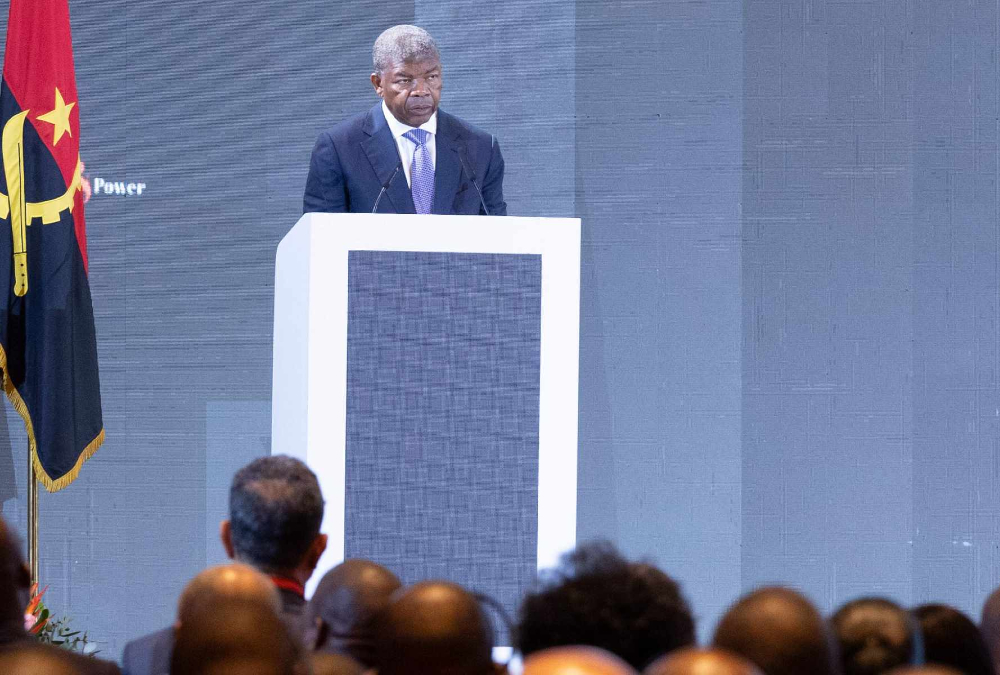
Typically, such a dependence on oil can lead to resource nationalism – where governments seek to assert more control over their natural resources. However, Angola has chosen a different path. Under the leadership of President João Lourenço, the government has embarked on a comprehensive reform program that allows the national oil company, Sonangol, to represent local interests while partnering with international investors.
These reforms began in 2019, during Lourenço’s first term in office, with the establishment of the National Agency for Oil, Gas, and Biofuels (ANPG). The decree signed in February 2019 designated ANPG as the country’s concessionaire for oil and gas projects, giving it the sole authority to regulate, supervise, and monitor oil and gas exploration and production activities.
This move relieved Sonangol of its previous regulatory responsibilities. Previously, Sonangol served as both the national concessionaire and a partner in oil and gas projects. With the creation of ANPG, Sonangol was able to focus on its core operations and streamline its activities.
It is important to note that Sonangol had already started this transition in mid-2017 by divesting non-core subsidiaries involved in sectors such as finance, real estate, travel, and food services. The formation of ANPG, however, solidified Sonangol’s shift towards becoming a more traditional oil company, free from the administrative complexities of government regulation.
NJ Ayuk is the Executive Chairman of the African Energy Chamber.
