
News
Global minimum tax expected to hit CARICOM economies hard
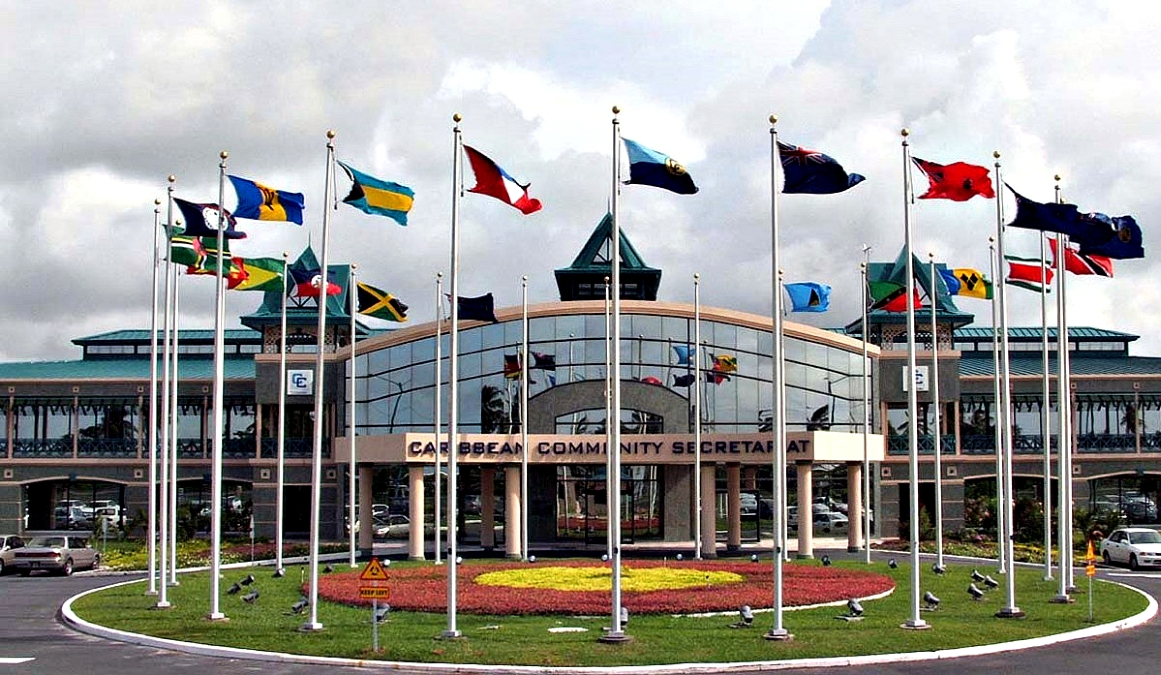
Jamaica Observer | The Secretary General of the Caribbean Community (CARICOM), Carla Barnett, is warning that the region should brace for the impact of wide-scale economic dislocations following the implementation of the proposed 15 percent global minimum tax on multinational corporations.
Barnett was speaking on the latest edition of the Central Bank of Barbados’ Caribbean Economic Forum.
She said, “we are in a situation where the advanced industrial countries have already decided that they are implementing this global minimum tax rate. It’s not as if we can tell them not to do it. It’s as much an issue as climate change, we have to figure out how we are going to live with it. We can advocate to have them not do it and we are doing the best we can to explain and indicate the difficulty that it will have on those of us who have economies that cater to international companies that have a presence in the region.”
The global minimum tax initiative is a new two-pillar plan to reform international taxation rules and ensure that multinational enterprises pay a fair share of tax wherever they operate.
The framework is expected to update key elements of the century-old international tax system, which is no longer fit for purpose in a globalized and digitalized 21st-century economy.
So far, 136 countries have agreed to establish the 15 percent minimum corporate tax rate, including several Caribbean territories like: Jamaica, Barbados, Trinidad & Tobago, St. Lucia, St. Kitts & Nevis, among others.
Nevertheless, Barnett stressed that the economic fallout in the Caribbean will be disastrous.
“It’s a very difficult one, I suspect we are going to see some economic dislocations taking place, the reality with those kinds of policies as well is that they are often not targeted at all countries, they are targeted at countries in the developing world that are opening up new sectors. So, for example, when we were talking about de-risking and all of the issues that we faced in the developing world and in the Caribbean in particular with the new restrictions that were being set up. We were not the only jurisdictions in the world that did what we were being asked not to do, but it is only the jurisdictions in the Caribbean; you have tax-free jurisdictions in Europe, in parts of the US and those are not being asked to do the same things that we are being asked to do.”
“That is a reality that we face with the global system in which we live. We lump that together with the issues we have with de-risking, the issues we have generally in the approach of the industrial countries in making policies that make it difficult for us when we want to develop new sectors that would draw on persons in their economies”, she added.
Under Pillar One, multinational corporations will be expected to send more than US$100 billion of profit to the market jurisdictions where they are registered or headquartered each year.
Under Pillar Two a minimum rate of at least 15 percent will be applied to companies operating outside of their market jurisdiction. This is estimated to generate around US$150 billion in additional global tax revenues annually. Additional benefits will also arise from the stabilization of the international tax system and the increased tax certainty for taxpayers and tax administrations.
“We have to understand sometimes that it is not a level playing field and we are expecting that there will be issues arising within our economies for those who are going to be affected once that global minimum tax rate gets rolled out. We are continuing to advocate to a rethink of that, we are continuing to say how difficult of a timing all of that is because it is going to present dislocations for us but we are in a situation, the reality of which is the developed world has already made agreements among themselves to do this and we are going to be bearing the burden of dealing with that where it affects us as well,” Barnett opined.
