
Business
Ethiopia: Infrastructure boom attracting continental banks into the country’s closed financial sector
Last month, the China Development Bank (CDB) said that Ethiopia was now one of its biggest trading partners on the continent. During Hailemariam’s visit to Beijing in August, the 2 countries signed co-operation deals relating to technology, electric power, finance, energy and aviation.
Last year, the Chinese direct investment in Ethiopia was US$910 million, and trade between the 2 countries increased by 55 percent to US$3.4 billion.
Standard Bank’s head of coverage in Ethiopia, Taitu Wondwosen, said that they hope to use the wide client base to attract investments into Ethiopia.
Daniel Kuyoh, a senior investment analyst at Alpha Africa asset managers, said that through the representative office these banks will scout the Ethiopian market for business, with targeted clients in mind who will be offered trade financing once the deals are confirmed.
“It is a way of going around the market. Since Ethiopia will not allow them to do front office banking, they will be able to do financing from their home countries and benefit themselves, their clients and the Ethiopian economy,” he said.
In 2013, Ecobank set up a representative office in Addis Ababa. The bank is one of the biggest trade finance institutions on the African continent, with a portfolio of more than US$1 billion this year.
“Ethiopia has emerged as one of Africa’s most exciting new markets. This office will provide us an opportunity to establish our networks ahead of the planned deregulation of the banking sector,” Ecobank’s former chief executive Thierry Tanoh said.
In the past, Ethiopia has restricted foreign investors from venturing into the telecommunications, banking, media, retail, insurance, and electricity sectors. But its desire to become one of the region’s top manufacturing hubs offering investors transport and affordable power has seen it launch multibillion-dollar transport and energy infrastructure projects.
All these are under the transformation plan started by the late prime minister Meles Zenawi.
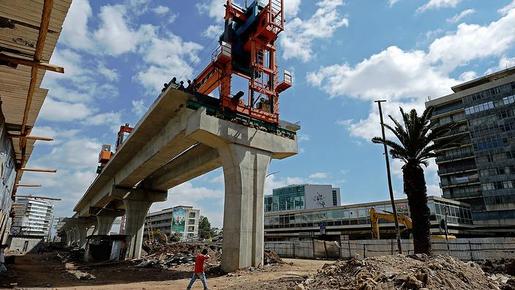
In September, the Addis government opened the US$475 million metro rail project in Addis Ababa, and announced the joint construction of a pipeline from Djibouti at a cost of US$1.5 billion. The submission for financial advisory service is set to be tendered in 2016. In 2014, it awarded road contracts worth US$320 million.
