
Business
East African Crude Oil pipeline expected to yield significant benefits to region
By NJ Ayuk
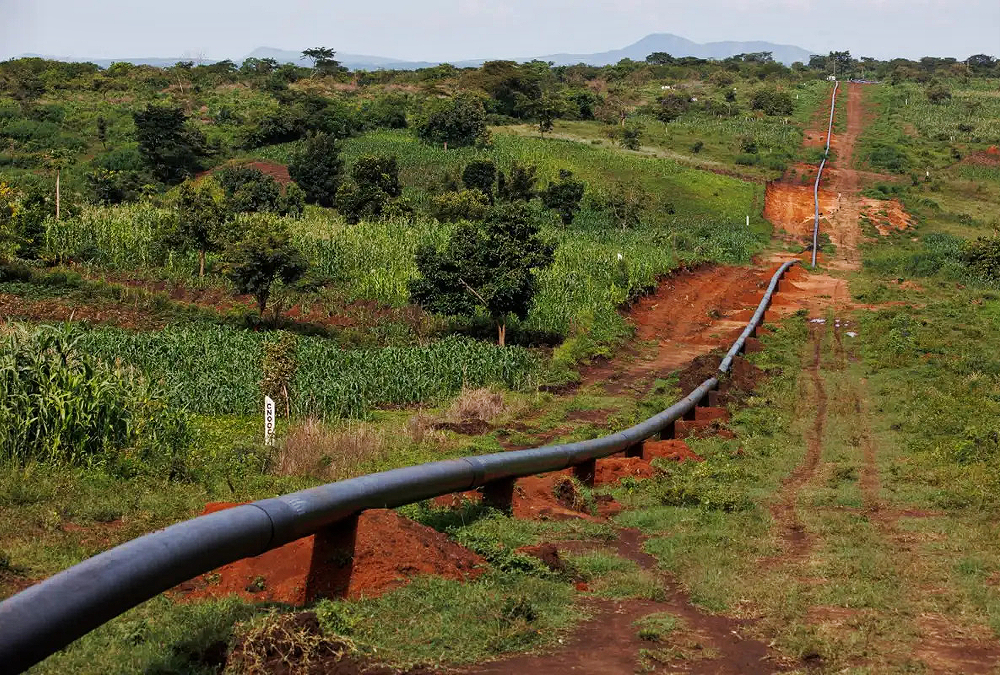
When the US$3.5 billion East African Crude Oil Pipeline (EACOP) is completed, it will mark a significant milestone. The 24-inch, 1,443-kilometer (896-mile) pipeline will be the largest in the region, transporting oil from Uganda’s Hoima oil fields to the Port of Tanga in Tanzania for global distribution.
More crucially, the EACOP could be transformative for East Africa. The construction phase alone is expected to create between 5,000 and 10,000 jobs, providing much-needed employment opportunities. These jobs will encompass building the pipeline and its support infrastructure, including a marine storage terminal and load-out facility at Tanga port, a loading pad and facility in Kabale, Uganda, and 96.5 kilometers (60 miles) of temporary and permanent access roads.
While some view the project negatively – environmental groups, in particular, have voiced strong opposition – I believe it is essential to consider the economic growth, capacity building, and infrastructure development that the EACOP can bring to the region.
Once the EACOP’s progress became evident, environmental groups, many from Europe and the U.S., began lobbying banks to withhold financing. They argue the pipeline would endanger natural habitats and wildlife and displace communities along its route. This is not the first instance where activists from nations with established oil and gas industries have sought to impede similar developments in Africa.
Read: Tanzania, Uganda leaders declare launch of crude oil pipeline project
I agree that safeguarding the environment and communities is crucial, but this should be achieved through meticulous planning and rigorous pipeline integrity standards, not by derailing a project with substantial potential benefits for East Africans.
Having a pipeline near oil-rich Lake Albert is likely to ignite a positive ripple effect in the region, starting with new production and exploration activities. This will create permanent jobs across various levels, from labor to professional and leadership positions, along with opportunities for technology transfers and capacity building.
The exploration and production activities will also foster the growth of indigenous companies, from upstream operations to suppliers and oil field services, and spur entrepreneurial ventures in other sectors. Furthermore, foreign investment in the region could catalyze the development of additional infrastructure.
This project has the potential to drive widespread economic growth and stability, benefiting not just a wealthy few but everyday Africans.
I hope the EACOP sets a precedent for future cooperation and more joint energy projects in East Africa.
NJ Ayuk is the Executive Chairman of the African Energy Chamber
