
Business
East Africa: Investment in railway infrastructure to boost region’s competitiveness with Asia
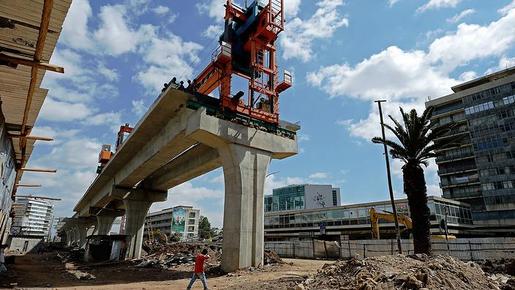
East African governments are betting big on new railway and port projects to boost the regional market’s competitiveness with Asia.
After years of neglect, East Africa’s logistics networks are starting to see the benefits of sustained investment from public bodies and private companies.
Ethiopia, which lost its access to the sea with the independence of Eritrea in 1991, relies on Djibouti’s port as its main access point.
Long lines of trucks stream out of Djibouti’s Doraleh Container Terminal, headed south along the crowded highway leading to Dire Dawa and the Ethiopian capital, Addis Ababa.
But this congestion should end when Ethiopia finishes its long-awaited rail links between the capital, the port to the north and various key economic zones in the country, including the new sugar plantations and refineries in the Awash Valley.
Given that international transport costs can hit US$4,000 per container, this should help move Ethiopia closer to its goal of offering an alternative to the manufacturing hubs of Asia.
“By October 2015, a considerable portion of the Addis Ababa – Djibouti project will be finished,” Getachew Betru, chief executive of the Ethiopian Railway Corporation told reporters in January, adding that the first trains will run in early 2016.
With US$1.6 billion in upfront financing from the Export-Import Bank, the US$4 billion project will connect Ethiopia’s inexpensive workforce to global markets. However, exporters and importers still face challenges in clearing containers at Djibouti’s ports. Congestion can block the arrival of new containers.
“So instead of the cargo waiting at Djibouti, we can take it as soon as possible to our dry ports. And all other processes, including ours, will be finalized at the end of this year,” Mesfin Tefera, the deputy chief executive of Ethiopian Shipping & Logistics Services Enterprise, told reporters.
The government is also targeting Port Sudan for imports and exports for northern Ethiopia and Berbera in Somaliland for importing coal.
