
Life
Colorectal Cancer Screening and African Americans, prevention, not detection
(PRNewswire-USNewswire) – Bethesda, Md., March 15, 2013 – If a screening test could not only catch cancer early but also help to prevent it, could you think of any reason not to have the test?
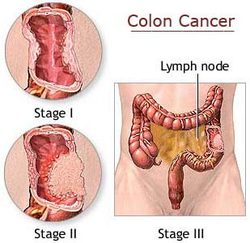
All widely used cancer screening tests aim to detect cancer early, when treatment may be more successful. But several screening tests can also help find abnormal cells that have not yet become cancer, allowing them to be removed before they can cause problems. Colorectal cancer screening tests, for example, can help detect pre-cancerous growths called polyps. Removing these polyps prevents them from becoming cancer.
Colorectal cancer is the third most commonly diagnosed cancer in both African American men and women. More than 18,000 new cases of colorectal cancer are diagnosed in African Americans annually. And, although colorectal cancer rates overall are declining in the United States, the rates for African Americans are decreasing more slowly than the rates for white Americans. African Americans are also more likely to be diagnosed when colorectal cancer is advanced and, therefore, less treatable.
Between 2002 and 2008, the likelihood of surviving 5 years after a diagnosis of colorectal cancer was only 57 percent for African Americans, compared with 65 percent for white Americans. The difference between African Americans and whites in colorectal cancer death rates has actually widened over the years.
Although many factors underlie these disparities, an important one is that African Americans are less likely to be screened for colorectal cancer than whites. For example, in 2010, only 56 percent of African American men and women over the age of 50 had been recently screened for colorectal cancer, compared with 62 percent of white Americans.
A large 2005 survey carried out by the National Cancer Institute, called the Health Information National Trends Survey, found that many African Americans do not know that, when colorectal cancer is caught early, survival rates are good. In fact, surgery can cure about 90 percent of people with early-stage colorectal cancer. March is Colorectal Cancer Awareness Month-a good time to get the facts about how screening and early detection of colorectal cancer can benefit you, your family, and your community.
Several effective options for colorectal cancer screening exist, which means that you can find a test that fits your risk, your concerns, and your comfort level. Knowing your options can make it easier for you to ask your doctor for more information.
