
Life
Black in Brazil
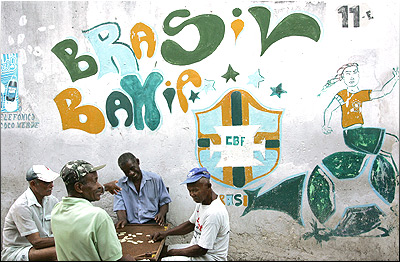
Brazil’s public self-image of a ‘racial democracy’ is being challenged as black Brazilians struggle to overturn centuries of racism
Aleixo Joaquim da Silva was working in this city’s famed seaside Copacabana neighborhood, far from the slum where he lives, when he was reminded that racism is alive and well.
While refurbishing the service elevator of a high-rise apartment building, da Silva had to ride the elevator reserved for residents to fetch supplies. A white woman entered and, taken aback, ordered him out.
” ‘I’m not riding with a black!’ she told me. ‘The place of blacks is in the service elevator!'” da Silva recalled.
Although Afro Brazilians have long endured such insults, many are deciding that they have had enough. The 50-year-old reported the woman to state authorities and had her convicted for breaking laws prohibiting discrimination.
It was a small victory for da Silva, but he’s part of a growing movement in this country of 190 million people, it has the world’s second-largest black population, behind Nigeria’s — to turn back centuries of pervasive and largely unchallenged racism.
From university classrooms to television airwaves, Afro Brazilians are fighting for what they say is long-denied space in a society that has kept them on the margins.
They have pushed for two affirmative-action bills in Brazil’s Congress that would open up college enrollment and government payrolls to more Brazilians of African descent. Already, many state universities have implemented their own affirmative-action programs.
In 2005, Afro Brazilian entertainer José de Paula Neto launched the country’s first television station aimed at black audiences, TV da Gente. Meanwhile, hundreds of communities founded more than a century ago by escaped slaves and known as quilombos are winning recognition and federal protections.
And Brazilians are finally discussing race after decades of telling themselves and the rest of the world that the country was free from racism, said Sen. Paulo Paim, author of one of the affirmative-action bills.
