
Business
Benin: West Africa’s Strategic Gateway European Exporters Can’t Afford to Overlook

By John Kourkoutas
While European businesses often focus on Nigeria, Ghana, or Côte d’Ivoire (Ivory Coast) when eyeing West Africa, a quieter but equally transformative opportunity is gaining momentum just across the border: Benin.
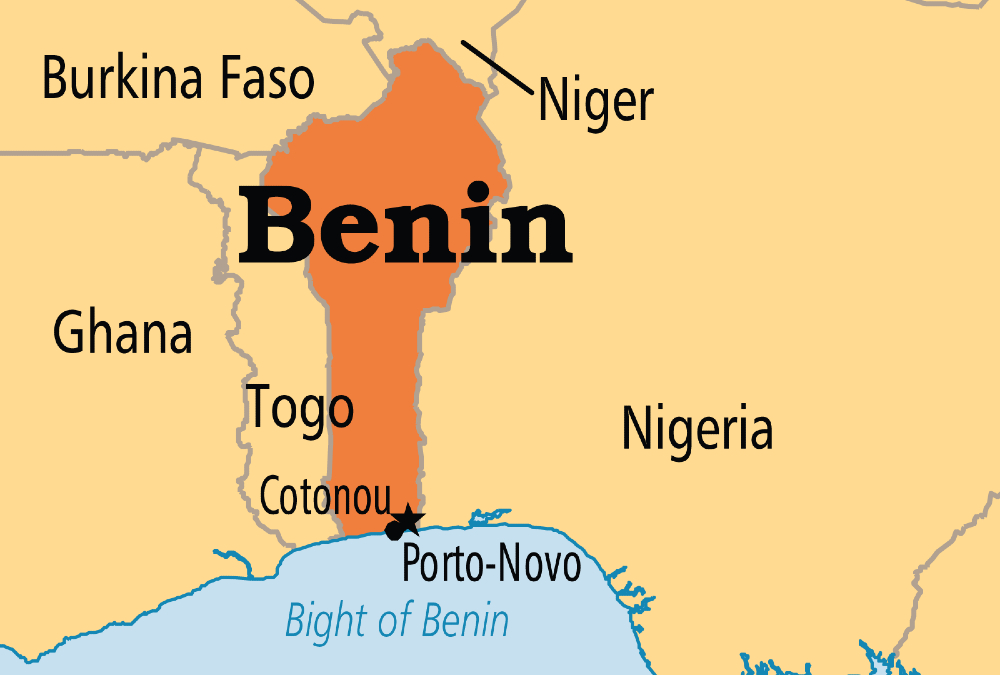
With a population of 12 million and sustained GDP growth of 6-7 percent annually – among the highest in the region – Benin is rapidly emerging as West Africa’s premier logistics and trade corridor. More than just a small coastal nation, it has become the strategic gateway to Nigeria and the landlocked Sahel, offering European exporters a stable, accessible, and high-potential entry point into a regional market of over 200 million consumers.
Why Benin? The Rise of a Logistics Powerhouse
At the heart of Benin’s ascent is the Port of Cotonou, now the fastest-growing port in West Africa. Handling over 1.2 million Twenty-Foot Equivalent Units (TEUs) annually, it has undergone significant modernization, including recent expansions backed by Chinese investment.
Its deep-water container facilities and efficient customs processes have made it a preferred route for regional trade.
But Cotonou’s importance extends far beyond Benin’s borders. It serves as the de facto gateway to Nigeria, with an estimated 40 percent of Nigerian imports transiting through Benin to bypass congestion and delays at Lagos ports.
This “Nigeria overflow” effect has turned Benin into a critical node in West Africa’s supply chain.
Moreover, Benin’s central location makes it a natural hub for ECOWAS (Economic Community of West African States) trade. It provides seamless access to landlocked nations such as Niger, Burkina Faso, and Mali – countries with growing demand for imported goods and infrastructure development.
A Stable Platform for Growth
In a region where political volatility can deter investment, Benin stands out. It has maintained remarkable political stability, with peaceful democratic transitions and a government committed to economic reform.
The administration actively promotes foreign investment through incentives, streamlined business registration, and special economic zones.
Economically, Benin is diversifying beyond its traditional reliance on agriculture. While it remains Africa’s top cotton exporter, the country is now investing heavily in value-added processing – creating demand for European machinery in cotton ginning, food processing, and packaging.
Meanwhile, the services sector – particularly banking, telecommunications, and logistics – is expanding rapidly, supported by a young, tech-savvy population. Over 65 percent of Benin’s people are under 25, fueling a dynamic labor market and rising consumer demand.
High-Potential Export Sectors for European Companies
For European exporters, Benin offers immediate opportunities across several high-growth sectors:
- Port and Logistics Infrastructure: Demand is surging for advanced container handling systems, warehouse automation, and digital logistics platforms.
- Agricultural Processing Equipment: As Benin moves up the value chain, European suppliers of ginning, milling, and cold storage technology are well-positioned.
- Construction and Infrastructure: A national infrastructure boom – roads, bridges, housing, and industrial parks – drives demand for heavy machinery and building materials.
- Renewable Energy Solutions: With rural electrification a national priority, solar, hybrid, and microgrid systems are in high demand.
- Medical Technology: A healthcare modernization push is creating opportunities for diagnostic equipment, hospital infrastructure, and telemedicine tools.
- Telecommunications and Digital Infrastructure: As Benin prepares for 5G and expands broadband access, European tech firms can support network upgrades and cybersecurity solutions.
Strategic Advantages You Can’t Ignore
Benin’s appeal isn’t just economic – it’s strategic:
- Francophone Access: As a French-speaking nation, Benin offers European companies a cultural and linguistic bridge to a vast Francophone West African market.
- Regional Distribution Hub: From Cotonou, goods can reach 15+ neighboring countries via road, rail, and inland waterways.
- Government Support: The Beninese government offers tax breaks, import duty exemptions, and fast-track approvals for priority investments.
- Cross-Border Trade Potential: Informal trade across borders is massive – estimated at billions annually. Formalizing this flow presents a major opportunity for structured export partnerships.
Keys to Success in the Beninese Market
Entering any new market requires strategy – and Benin is no exception. European exporters should consider the following:
- Language Matters: French is the language of business. Localized communication and in-country representation are essential.
- Local Partnerships Are Crucial: Collaborating with established importers or distributors with regional networks significantly reduces risk and accelerates market entry.
- Understand Nigeria’s Influence: Since much of Benin’s trade is Nigeria-driven, insights into Nigerian consumer behavior and regulatory trends are invaluable.
- Secure Payment Terms: For large transactions, confirmed letters of credit (LCs) are strongly recommended to mitigate financial risk.
The Bottom Line: Benin Is Open for Business
Benin is no longer a footnote in West Africa’s economic story. It is a strategic, stable, and scalable platform for European exporters seeking regional access with lower entry barriers than larger, more congested markets.
For companies in logistics, agri-tech, construction, renewable energy, healthcare, and digital infrastructure, Benin offers more than just a market – it offers a springboard into one of the world’s fastest-growing regions.
So the question isn’t whether Europe should pay attention to Benin. The real question is: Why haven’t more European exporters made their move yet?
John Kourkoutas is business development expert that specializes in helping companies, export teams, and business leaders succeed in Africa’s dynamic and emerging markets.
