
Business
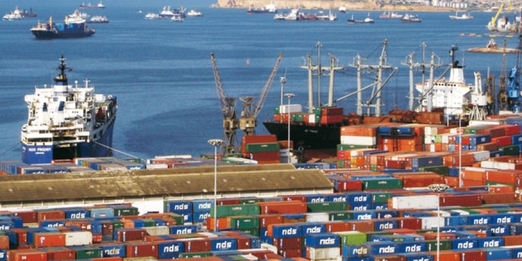
Angola Upgrades Port as it Aims to be Africa’s Busiest Hub
Oil Suppliers
About 60 percent of cargo arriving in Luanda is construction material, Bengue said. It’s processed through five terminals including Sonils, a unit of state-owned oil company Sonangol EP, where unloading occurs for most supply ships from oil companies operating offshore.
Chevron Corp., Total SA (FP), and BP Plc (BP) pumped most of the OPEC member’s 1.52 million barrels of oil last month, according to data compiled by Bloomberg. Angola is Africa’s biggest oil producer after Nigeria. A freight railway line that was supposed to start more than a year ago linking the port with a terminal 30 kilometers inland at Viana will begin commercial service next month after new locomotives are bought, Bengue said. The rail shipping cost may undercut the $250 per container fee charged by truckers for the same route, he said.
No Piracy
The reported hijacking of a Greek-owned tanker carrying 60,000 tons of diesel in January isn’t a sign of piracy drifting south to Angolan waters from the Gulf of Guinea where it’s common, Bengue said. The ship, the Kerala, had been anchored offshore from Luanda before it was diverted to Nigeria. Angolan authorities said the crew staged the hijacking.
Bengue said, “While we only focus on security within the port not outside, where it’s handled by the Port Captaincy Office, I can assure you that we haven’t recorded any piracy action.” Furthermore, he stated, “We have trained competent personnel to protect any vessels in the port and our facilities.” He then concluded by saying that exports including iron ore are limited to about 5 percent of the port’s volume.
Source: Bloomberg Businessweek
