
Business
Africa’s Oil and Gas Hubs: From Mature Giants to Rising Frontiers

By Des H Rikhotso
From the deepwater fields of West Africa to the LNG megaprojects taking shape in the Indian Ocean, Africa is home to a dynamic and evolving network of oil and gas hubs. While some regions boast decades of production and export infrastructure, others are just beginning to unlock their hydrocarbon potential – positioning the continent as a critical player in the global energy landscape.
As global energy markets recalibrate amid shifting geopolitical alliances and the push for energy security, Africa’s diverse oil and gas ecosystems offer both opportunity and complexity. Below is a strategic overview of the continent’s key energy corridors, categorized by maturity, infrastructure, and future potential.
West Africa: The Continent’s Established Powerhouse
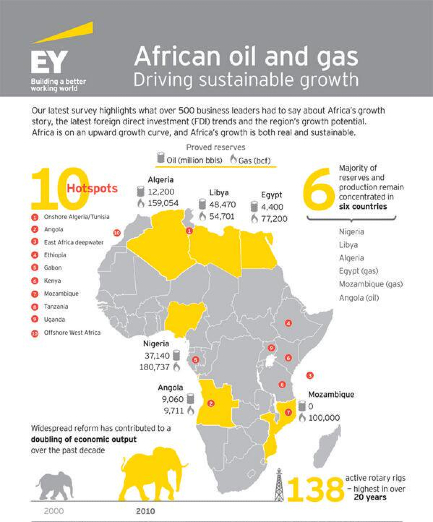
Nigeria remains Africa’s largest oil producer, with a well-developed infrastructure network centered around Lagos, Port Harcourt, Warri, and Bonny Island. The country operates major crude export terminals – including Bonny, Forcados, and Qua Iboe – and hosts the Nigeria LNG facility on Bonny Island, one of the most significant liquefied natural gas (LNG) export operations on the continent.
Angola, Africa’s second-largest oil producer, relies heavily on offshore production, particularly in the Cabinda enclave and deepwater blocks near Soyo. The Angola LNG plant in Soyo serves as a cornerstone of the nation’s gas strategy, though production has faced operational challenges in recent years.
Meanwhile, Ghana has emerged as a promising hub, with offshore fields like Jubilee and TEN driving growth. The ports of Takoradi and Tema support both logistics and refining activities, positioning Ghana as a regional energy services center.
North Africa: Mature Producers with Strategic Reach
North Africa’s oil and gas sector is defined by maturity, scale, and strong integration with European markets.
Algeria is a major natural gas exporter to Europe, primarily through trans-Mediterranean pipelines. Its key production centers – Hassi Messaoud (oil) and Hassi R’Mel (gas) – feed into LNG terminals at Skikda and Arzew, reinforcing Algeria’s role as a strategic energy supplier.
Egypt has transformed its energy profile in the past decade, thanks to the massive Zohr gas field in the Mediterranean. With LNG export facilities at Idku and Damietta, Egypt now serves as a dual gateway for gas exports to both Europe and Asia.
Libya, despite its vast reserves and key export terminals like Es Sider, Ras Lanuf, and Zueitina, remains hampered by political instability. Yet its potential as a low-cost, high-volume producer continues to draw international interest.
East Africa: The Next Frontier
East Africa represents the continent’s most exciting growth frontier, with several nations advancing large-scale oil and gas projects.
Mozambique is at the epicenter of this transformation. The Rovuma Basin hosts multi-billion-dollar LNG projects led by TotalEnergies and ExxonMobil, with Palma poised to become a major LNG export hub – once security and financing hurdles are fully resolved.
Tanzania holds substantial offshore gas reserves and plans an LNG terminal in Lindi, complemented by a domestic pipeline linking fields to Dar es Salaam. Though delayed by regulatory and fiscal negotiations, the project remains a long-term priority.
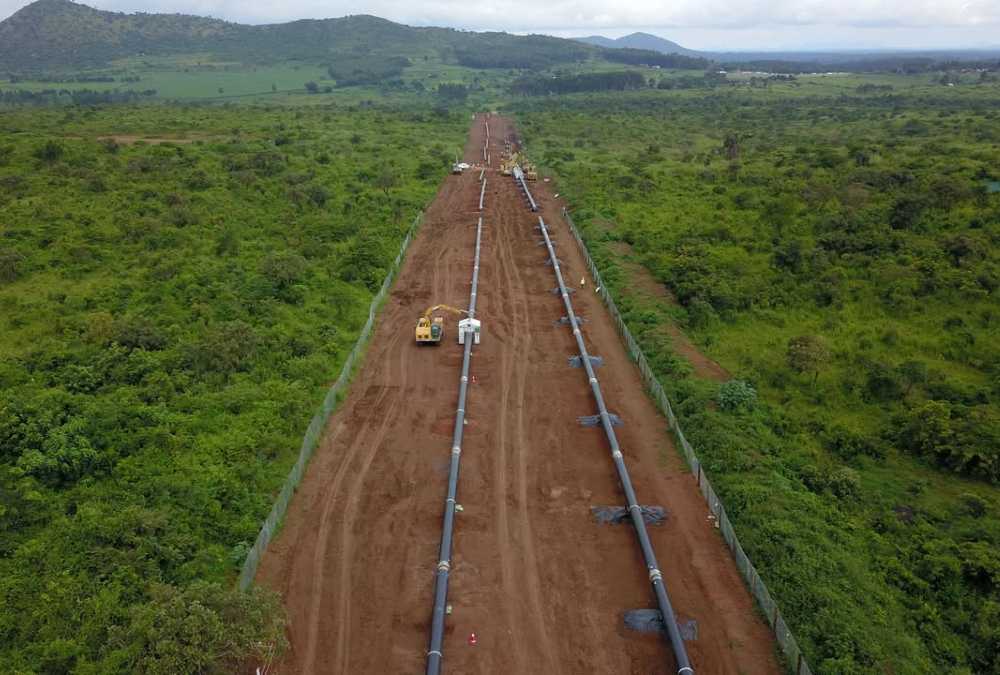
Uganda is advancing its first commercial oil developments – Tilenga and Kingfisher – in the Lake Albert region. The East African Crude Oil Pipeline (EACOP), set to transport crude to Tanzania’s Tanga Port, will be a game-changer for landlocked producers.
Kenya, while still in early production stages from the Turkana fields, is leveraging the Lamu Port-South Sudan-Ethiopia Transport (LAPSSET) corridor to position Lamu as a future export gateway.
Southern Africa: Emerging Potential
South Africa – though not a major producer – serves as the region’s refining and petrochemical hub, with key facilities in Durban, Cape Town, Richards Bay, and Mossel Bay. The country relies heavily on imported crude but plays a vital role in downstream energy distribution across the Southern African Development Community (SADC).
Namibia is the region’s rising star. Recent offshore discoveries by Shell and TotalEnergies in the Orange Basin have sparked optimism that the country could become a significant oil producer within the decade, with Walvis Bay and Lüderitz emerging as potential service and logistics centers.
Looking Ahead: Strategic Implications
Africa’s oil and gas landscape is far from monolithic. It spans mature exporters (Nigeria, Angola, Algeria, Egypt), LNG leaders (Nigeria, Algeria, Egypt, and soon Mozambique), and high-potential emerging hubs (Uganda, Tanzania, Kenya, Namibia).
As the world navigates the dual imperatives of energy transition and energy security, Africa’s hydrocarbon resources offer a critical bridge. Strategic investments in infrastructure, regulatory clarity, and local content development will determine whether these hubs fulfill their promise – not just as sources of export revenue, but as engines of industrialization and energy access for millions.
For global investors, policymakers, and energy strategists, understanding Africa’s regional energy ecosystems is no longer optional – it’s essential.
Des H Rikhotso (PgDip-BA, MBL) is a seasoned C-suite Multi-Industry business executive with 25+ years of Business Leadership Experience across the South, East and Western Sub-Sahara Africa Region. Based in Kampala, Uganda he serves as East Africa Region Business Executive, driving Business Strategic Growth and Operational Excellence – contributing his Leadership Voice and Clarity to the Region. Des has held Business Leadership roles at BMW Group Africa, Volkswagen Group Africa, Peugeot Motors South Africa, Toyota/Lexus South Africa, Nissan Group of Africa, G.U.D Holdings (Africa Exports Operations Division) and The HDR Group of Companies. He holds Under-Graduate and Post-Graduate business degrees from the University of the Western Cape, Wits University (Wits Business School) and the University of South Africa.
