
Business
Africa’s Next Era of Finance: BRICS Bank vs. Dollar Dominance

By Lailla Mutajogera
Every time the U.S. dollar strengthens, Africa bleeds.
Not through war or famine – but through finance. As the dollar surges, African governments scramble to service US$1.2 trillion in external debt, over 60 percent of which is denominated in U.S. dollars.
Currency devaluations follow. Inflation spikes.
Public budgets shrink. Schools close. Power plants stall. Roads remain unpaved.
And yet, the institutions that hold the keys to relief – the IMF, the World Bank – still operate under rules written in Washington, with conditions that often prioritize fiscal austerity over human development.
There is another way.
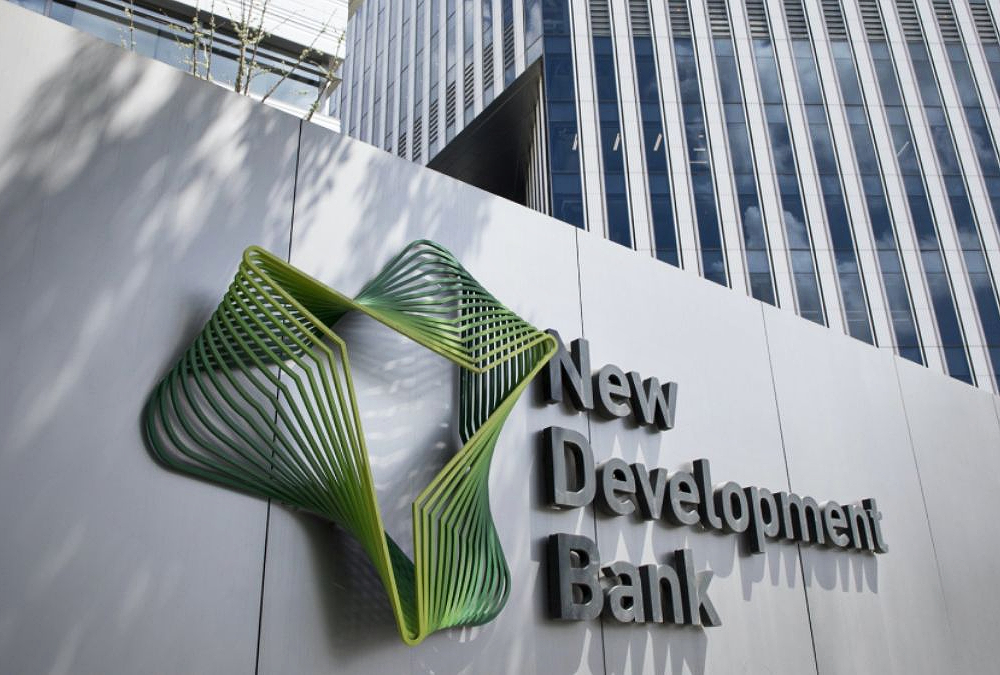
Enter the New Development Bank (NDB) – the flagship financial institution of BRICS: Brazil, Russia, India, China, and South Africa. Launched in 2015 with an initial capitalization of US$50 billion – and now expanding its reach with new members like Egypt, Bangladesh, and the United Arab Emirates – the NDB isn’t just an alternative to Western-dominated lenders.
It’s a paradigm shift. Its mandate is simple, strategic, and urgently relevant to Africa:
- Finance critical infrastructure and sustainable development projects.
- Reduce reliance on the U.S. dollar by lending in local currencies.
- Build economic cooperation among Global South nations – not as recipients, but as partners.
The numbers tell the story. The African Development Bank estimates Africa needs US$130–170 billion annually just to close its infrastructure gap.
Yet, it currently receives only about US$62 billion – leaving a shortfall of US$68–108 billion per year. Meanwhile, dollar-denominated debt has become a structural trap: when the Fed hikes rates, African treasuries don’t just pay more – they hemorrhage reserves, destabilize exchange rates, and lose sovereign policy space.
The Dollar Trap: Why Africa Can’t Afford to Keep Playing by Old Rules
The U.S. dollar’s dominance isn’t accidental – it’s institutionalized. From commodity pricing to global debt contracts, the dollar acts as both currency and constraint.
When the Federal Reserve raises interest rates, capital flees emerging markets. African currencies depreciate.
Import costs soar. Debt repayments balloon – even as revenues stagnate.
This isn’t just economics. It’s systemic vulnerability.
Between 2020 and 2023, African countries spent over US$40 billion extra servicing dollar-denominated debt due solely to forex volatility, according to UNCTAD. Meanwhile, climate adaptation needs – which could cost up to US$50 billion annually by 2030 – are sidelined because budgets are consumed by debt service.
The NDB doesn’t just offer loans. It offers escape routes – in local currencies, without conditionalities that force cuts to health, education, or energy access.
That’s not reform. That’s restitution.
Egypt, already a member, secured its first NDB loan in 2023 to fund renewable energy projects in Egyptian pounds. No currency risk. No austerity mandates. Just results.
This is not theoretical. This is happening.
Imagine if Nigeria used NDB funding to build its long-stalled rail corridors – not in dollars, but in naira, with terms tied to job creation and local content. Imagine Ghana financing solar microgrids across rural communities without having to sell off national assets to hedge against dollar appreciation.
Imagine Senegal building climate-resilient ports with financing that doesn’t come with a Washington-conditioned checklist.
The NDB Advantage: Infrastructure, Not Austerity
The NDB isn’t perfect. It’s still scaling up. Its governance remains imperfectly transparent. And yes – it’s not yet the IMF. But it is the most promising alternative Africa has ever had.
Unlike traditional multilaterals that prioritize fiscal consolidation, the NDB prioritizes investment. Its project pipeline includes clean energy, urban transit, water systems, digital connectivity, and green industry – all aligned with the UN Sustainable Development Goals and Africa’s own Agenda 2063.
Crucially, the NDB operates with shorter approval cycles. Projects that take 2–4 years to clear at the World Bank can be approved in under 12 months at the NDB.
And unlike IMF programs that demand privatization and subsidy cuts, NDB loans often require only environmental safeguards and labor standards—standards Africa can own.
The result? More roads built faster. More power plants financed without sacrificing social spending. More private investors drawn in by predictable, locally anchored returns.
And here’s what’s at stake: Will African leaders seize this moment – or wait for someone else to decide our future?
The opportunity is threefold:
- Reduced Dollar Risk: Local-currency lending insulates budgets from Fed policy shocks.
- Faster, Smarter Infrastructure: Projects approved in months, not years – with less red tape than traditional multilaterals.
- Greater Sovereignty: African nations gain leverage to negotiate better terms with private investors and global partners.
But real change requires more than hope. It demands action.
African finance ministers must actively engage with the NDB – not as passive applicants, but as co-designers of its regional priorities. Central banks should establish dedicated NDB liaison units.
Private sector investors need to partner with NDB-backed projects to unlock blended finance. And civil society must hold both the NDB and their own governments accountable for transparency and impact.
The Choice Ahead: Lead or Lag in Africa’s Financial Revolution
So I ask you: If you sat at the NDB’s table today – which African project would you fund first? Would it be the Congo’s green hydrogen corridor to power West Africa?
The Ethiopian industrial park built with solar microgrids and local labor? Or the pan-African digital payment network replacing SWIFT with a BRICS-linked system?
The answer matters. Because this isn’t just about infrastructure. It’s about agency.
For too long, Africa’s development has been financed on someone else’s terms. Now, for the first time, we have a seat at a table where the rules are being rewritten – with our interests in mind.
The question is no longer whether Africa can afford to join the NDB. It’s whether Africa can afford to wait.
Lailla Mutajogera is an investor, entrepreneur, and CEO of Muta Investment Firm, a cross-border investment company with operations in Uganda, Rwanda, and Dubai. She specializes in connecting global investors with high-impact opportunities in African markets, focusing on commercial real estate, tourism, agribusiness, and asset management. Committed to practical, growth-driven investments, she champions projects that drive sustainable development across the continent.
