
Business
Africa turns to local borrowing as foreign markets become too expensive
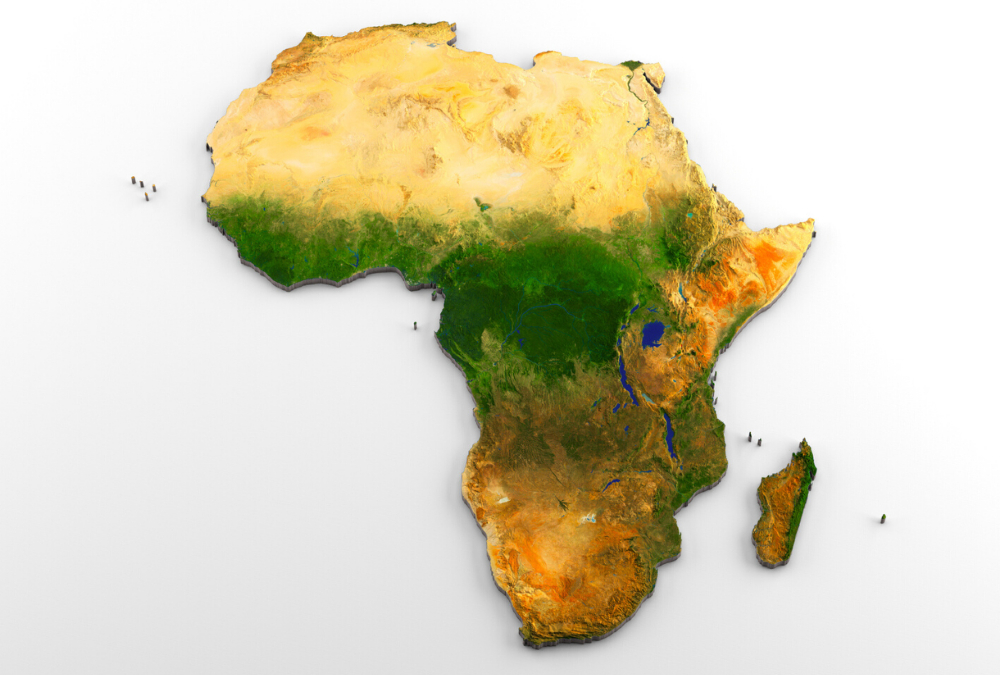
Bloomberg | There is no place like home for African governments shut out of global debt markets by crises that have made foreign borrowing too expensive.
According to the S&P Global Ratings’ annual African Debt report published Wednesday, Eurobond markets have become tighter as investors grappled with shocks caused by the COVID-19 pandemic, Russia’s invasion of Ukraine, high global inflation and aggressive interest-rate increases led by the US Federal Reserve.
The extra yield investors demand to hold the sovereign dollar bonds of African governments compared with US Treasuries has jumped 400 basis points since January 2020 to 852 basis points, according to JPMorgan Chase & Co. data.
“This has forced the majority of African sovereign issuers to shift away from external financing and pursue domestic borrowing instead, with varying degrees of success,” the S&P analysts said in the report.
Increased demand for local debt has pushed up the cost of refinancing domestic loans across the continent, as governments chase limited funds owing to shallow domestic financial markets. Some borrowers, like Egypt, Ethiopia and Nigeria, offer negative real returns with interest rates that are below the level of inflation.
“Over time, limited pools of domestic savings in most African economies – which ultimately reflect lower levels of development – will continue to cause difficulties in a world where the return on risk-free assets is quickly increasing via quantitative tightening in advanced economies,” the analysts said.
The pain is unlikely to end soon as central banks are expected to keep interest rates higher for longer to curb price pressures. African governments also have limited headroom to take on more debt, with the average debt-to-GDP for the 23 sovereigns sampled in the report increasing to 62 percent in 2023 from 48 percent in 2017.
At meetings last month in Marrakech, Morocco, the International Monetary Fund said that as many as 8 countries in sub-Saharan Africa will require debt restructuring.
“The way forward will likely entail riskier quasi-fiscal activity or restructuring of local currency debt,” the S&P Global analysts said, adding that it “will have broader implications for medium-term social stability, economic growth, and development, already hard-hit by multiple recent exogenous shocks.”
