
Life
Zimbabwe: Freshwater crayfish introduced from Australia pose a serious environmental problem
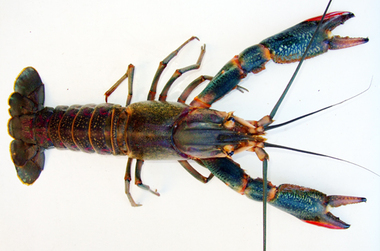
Unfortunately, the scientists do not have adequate funding. The station’s research vessel has been docked for quite a while awaiting cash for repairs. What the ecologists do know is that the red claw migrates deep into river systems.
“We have to do a lot more work on the crayfish invasion,” Phiri told reporters.
”We don’t know yet what will happen to the ecosystem. It is an omnivore and eats detritus, rotting vegetation, dead fish, the eggs of bream and other aquatic life as well as all the organisms that are crucial in the whole ecological chain,” he said.
Nor is it known exactly how many crayfish are in Kariba lake. Phiri says they are most visible breeding unchecked close to human settlements, harbors and slipways for boats. Kariba’s “kapenta” fish, a tiny tropical whitebait or sardine that has become a staple food, was also introduced into the lake but does not migrate because it only lives in deep water lake conditions.
The red claw from Australia was first “farmed” in neighboring Zambia but has already found its way deep into that country’s lake tributaries where its worrying impact is also being urgently tracked.
The solution to the crayfish crisis, said Phiri, seems to lie in commercial exploitation in traps similar to those used to catch marine lobster.
In stores in Harare, the capital of Zimbabwe, it sells for $US9 a kilogram, $US12 still alive in fish shop aquariums, and far more in upmarket restaurants.
