
News
U.S. Attorney General Eric Holder to address NAACP amid probe of Trayvon Martin case
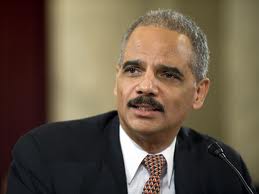
While the tone of Holder’s comments on race may have moderated since he drew rebukes from inside and outside of President Barack Obama’s administration for saying the U.S. was “essentially a nation of cowards” for its inability to foster discussions about race, the intent has not.
“We are determined to meet division and confusion with understanding and compassion, and also with truth,” Holder told the crowd yesterday assembled for the historically black sorority’s 100th anniversary. “We are resolved, as you are, to combat violence involving or directed at young people, to prevent future tragedies and to deal with the underlying attitudes, mistaken beliefs and stereotypes that serve as the basis for these too common incidents.”
Holder regularly highlights the successes of his civil-rights division, which prosecutes discrimination cases, in his public remarks. Its work on prosecuting hate crimes, lending discrimination and alleged discrimination in voting statutes has been a specific focus – even as some of that work has drawn criticism from Republican lawmakers on Capitol Hill.
The division challenged state voter identification laws around the country in the months before the 2012 election, obtaining favorable judgments in four cases under the pre-clearance requirements in the Voting Rights Act. The Supreme Court last month struck down a key part of the law, a formula for determining which states must get federal approval for changes to their voting laws.
Holder yesterday called the high court’s decision “flawed” and said his department is “eager to work with congressional leaders of both parties” to craft new legislation to “fill the void left by the court’s ruling and address voting rights discrimination.”
Voting rights probably will be one of the topics he addresses in today’s speech.
The Justice Department started its investigation of the Martin case in March 2012, with top officials from the department’s civil-rights division traveling to Sanford, Florida, as part of the probe. Prosecutors would likely be looking to see if they could bring charges under the Matthew Shepard Act, the 2009 law signed by Obama that expanded prosecution of hate crimes.
