
Business
Trump’s Policies Spuring African Self-Reliance?
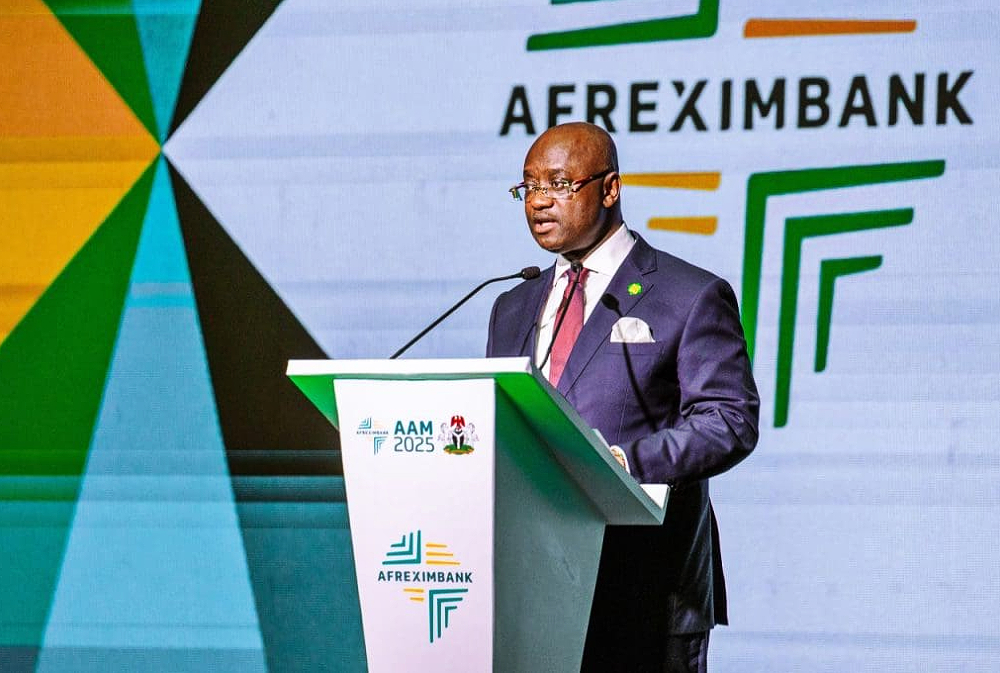
Donald Trump’s pro-fossil-fuel stance and rollback of U.S. trade incentives are unintentionally accelerating Africa’s push toward self-reliance, says George Elombi, president of the African Export-Import Bank (Afreximbank).
“Trump is turning out well for Africa – even if it’s unconscious,” said Elombi, the Cameroonian lawyer who took the helm of the Cairo-based institution in October.
By slowing the global energy transition, Trump’s policies have eased pressure on oil-dependent African economies. Meanwhile, the expiration of the African Growth and Opportunity Act (AGOA) – a 25-year U.S. trade preference program that lapsed in September – has forced African nations to seek new markets, particularly within the continent itself.
“He’s making Africans look inward,” Elombi said, “so they have to deal with their own issues.”
While AGOA’s end will hit textile exporters hard, Afreximbank is working with governments to redirect trade toward regional markets under the African Continental Free Trade Area (AfCFTA). The bank is also prioritizing financing for local processing of raw commodities – helping African countries capture more value and jobs from their own resources amid rising global demand for critical minerals.
“South Africa has a developed processing sector, but most of the continent still ships raw materials abroad – especially to China,” Elombi noted.
With assets and contingencies surging from US$6 billion to US$44 billion over the past decade, Afreximbank now wields the financial firepower to transform key sectors quickly. “Our balance sheet is big enough to spark change overnight,” Elombi said. “Once momentum builds, other investors follow.”
Founded in 1993 by African governments and private investors to boost intra-African trade, Afreximbank is emerging as a catalyst for the continent’s economic pivot – fueled, oddly enough, by policies never meant to help it.
