
Business
Trinidad and Tobago: Impact of State of Emergency
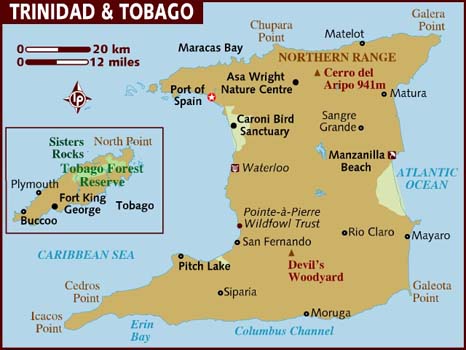
“We are aware that such a decision will have an impact on the daily lives of innocent, law-abiding citizens, but I feel confident that they will recognize and appreciate the need to protect them and bring the current crime surge affecting them under control,” she said at the time.
The curfew has apparently had an effect: The 11 homicides reported in October was the lowest monthly total in 20 years, police spokeswoman Sharon Lee Assang said.
The curfew was initially in effect from 9 p.m. to 5 a.m. But that made it difficult for people to get off the streets in time, so officials shortened it to 11 p.m. to 4 a.m. The curfew is not in place in Tobago, the sister island that depends on tourism and has far fewer crimes. Fines for breaking curfew range from US$150 to nearly US$800, with judges empowered to impose a jail sentence in lieu of fines.
Since the announcement, authorities also have seized hundreds of weapons and thousands of rounds of ammunition. Police officials say they have arrested thousands of people, about 450 of them suspected gang members.
The curfew comes up for review in December and the country is divided on whether it has been a success. Many people, mostly older Trinidadians, praise the measure for the dramatic decline in killings and a new level of peace.
For Judy Bhola, the curfew has meant a respite from the criminals lurking in the cemetery behind her house in the southern city of San Fernando, the island’s industrial capital.
“Now I can sit in my open porch in the evening,” she said. “I am extremely happy and feel safe when I see only the police vehicles cruising around at night.”
In Port-of-Spain, some say the curfew has brought families closer together.
“I cook for the family now,” said Anthony Pagwandass. “My wife and 5-year-old daughter love me being with them.”
But a growing number of people are grumbling about the restriction on civil liberties, questioning whether it is worth it to trade security for Trinidad’s party culture.
“The fundamental rights of ordinary citizens are being trampled upon,” said Port-of-Spain Mayor Louis Lee Sing, among the opponents of the curfew.
