
Business
Rwanda and Ghana Launch Fintech Licensing Passport to Drive Seamless Payment Solutions
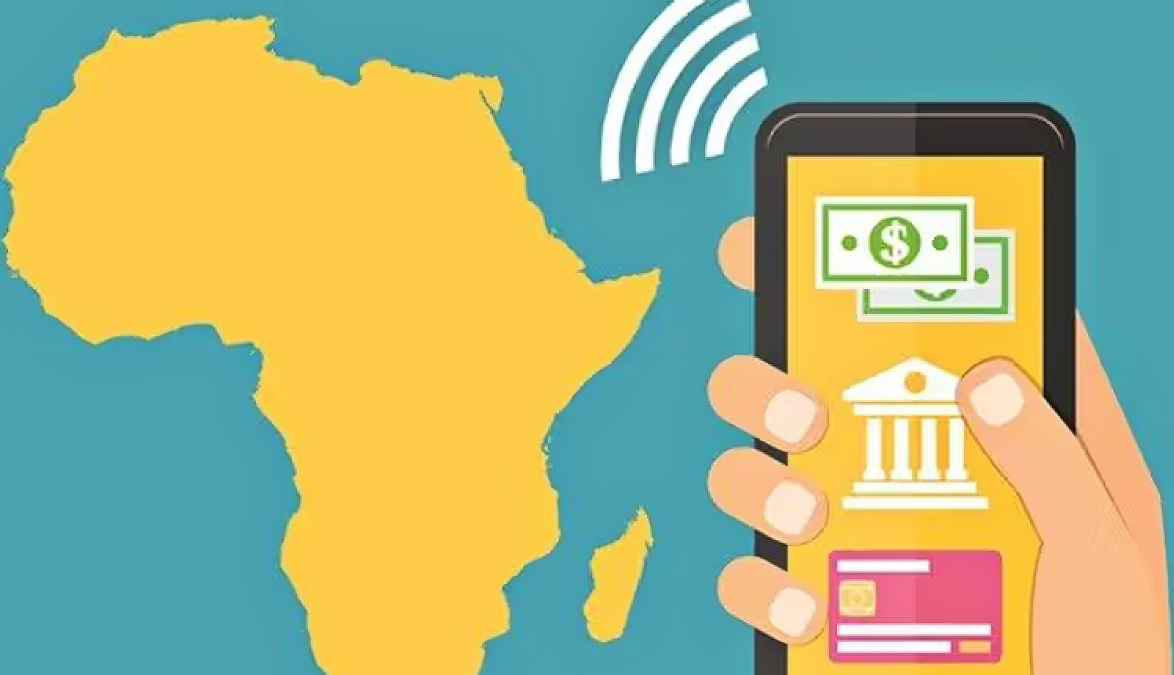
The central banks of Rwanda and Ghana have partnered to integrate their national payment systems and establish a fintech licensing passport between the two nations, as announced by Rwanda’s central bank governor, John Rwangombwa. This ambitious initiative aims to enable seamless cross-border payments and drive trade growth across Africa.
“This is the vision we seek to achieve continent-wide,” Rwangombwa remarked.
Rwangombwa further emphasized the importance of expanding membership in the Pan-African Payment and Settlement System (PAPSS), which was launched by Afreximbank in January 2022. PAPSS is designed to eliminate the need for converting African currency transfers into dollars or euros, streamlining transactions and reducing both costs and processing times.
Mike Ogbalu III, CEO of PAPSS, called the system a crucial “operationalizing instrument” for the African Continental Free Trade Area (AfCFTA), which was first agreed upon in 2018.
The new initiative will allow fintech companies licensed in one country to expand into the other with minimal regulatory barriers. Supported by the Monetary Authority of Singapore, the initiative will be officially launched during the Inclusive FinTech Forum in Kigali, from February 24-26, 2025.
This framework is set to simplify cross-border fintech operations, reduce regulatory bottlenecks, and help create a more unified financial ecosystem across Africa. With a valid license in one country, fintech firms will only need to provide supplementary documentation to obtain authorization in the other country, significantly cutting costs and simplifying the scaling process.
This collaboration is part of a larger trend toward regulatory harmonization across Africa, positioning Ghana and Rwanda as leaders in the continent’s fintech space. As the implementation details unfold, industry stakeholders will closely monitor how regulatory frameworks align to ensure the system’s successful adoption.
This landmark development is a major step forward for Africa’s fintech ecosystem, bringing the continent closer to a fully interconnected digital financial network.
