
News
Heavy rain hampers Kenya army’s hunt for Somali militants
Though Kenya said the kidnapping attacks were the catalyst for the invasion, there are indications the push into Somalia has been in the works for some time. Military analysts say it is highly unlikely Kenya could organize such a complex military operation so quickly in response to the kidnappings.
The Kenyan invasion comes at a time when al-Shabab has been weakened by famine in its strongholds, has been pushed from the capital of Mogadishu by African Union troops and finds itself increasingly challenged by clan militias.
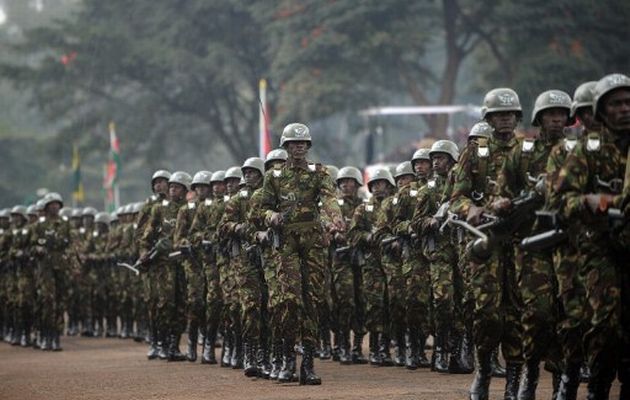
Kenya moved two battalions of about 800 troops each across the border in two locations, a Nairobi-based official said. Tanks, helicopters and artillery have also been deployed. The invasion is the most significant foreign deployment of the Kenyan military since independence from Britain in 1963.
Al-Shabaab threatened on Monday to bring down Nairobi skyscrapers and referenced the July 2010 bomb attacks they masterminded in Kampala, Uganda, that killed 76 people. Al-Shabab said the attacks were retaliation for Uganda’s troops contributions to the African Union peacekeeping force in Mogadishu.
“Remember what happened in Uganda’s capital,” Sheik Ali Mohamud Rage, an al-Shabab spokesman, said Monday.
Kenya’s final objective remains unclear. It has spent the last two years pushing for a buffer zone between it and troubled Somalia. Kenyan forces trained and equipped the so-called Jubaland militia of more than 2,000 Somalis and have frequently said they want to take Kismayo, a port city whose customs revenues are the insurgency’s biggest cash cow.
Al-Shabaab’s key line of defense for Kismayo is in front of the Juba river. There are only three bridges across it strong enough to take the movement of vehicles.
Copyright 2011 The Associated Press.
