
News
Haiti: U.N. peacekeeping mission in Haiti coming to an end
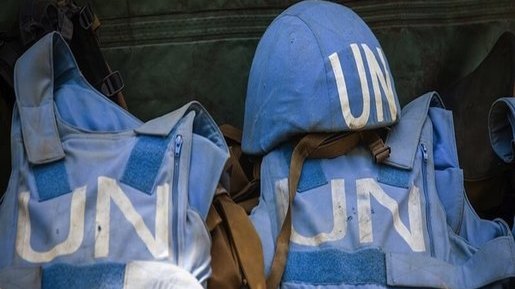
AP | A United Nations (U.N.) peacekeeping mission in Haiti is coming to an end as the last of the blue-helmeted soldiers from around the world leave.
The U.N. lowered its flag at its headquarters in Port-au-Prince during a ceremony Thursday that was attended by President Jovenel Moïse, who thanked the organization for helping to provide stability. After a gradual winding down, there are now about 100 international soldiers in the country and they will leave within days. The mission will officially end on October 15.
Immediately afterward, the U.N. will start a new mission made up of about 1,300 international civilian police officers, along with 350 civilians who will help the country reform a deeply troubled justice system. Various agencies and programs of the international body, such as the Food and Agricultural Organization (FAO), will also still be working in the country.
It will be a much smaller peacekeeping mission,” said Sandra Honore, a diplomat from Trinidad & Tobago who has served since July 2013 as the head of the U.N. mission in Haiti known as MINUSTAH, its French acronym. “The United Nations is not leaving.”
MINUSTAH began operations in Haiti in 2004, when a violent rebellion swept the country and forced then-President Jean-Bertrand Aristide out of power and into exile. Its goals included restoring security and rebuilding the shattered political institutions. In April, the Security Council deemed the country sufficiently stable and voted to wind down the international military presence, which then consisted of about 4,700 troops.
Checkered Legacy of U.N. in Haiti includes Cholera, sex abuse
Many Haitians have viewed the multinational peacekeepers as an affront to national sovereignty. U.N. troops are believed to have inadvertently introduced the deadly cholera bacteria to the country and have also been accused of causing civilian casualties in fierce battles with gangs in Port-au-Prince and of sexually abusing minors.
“Haiti needs an atmosphere of peace so we can take responsibility for ourselves,” said Haitian Senator Jacques Suaveur Jean. “We don’t need foreign soldiers.”
The new U.N. mission will consist of 7 police units that can respond to major incidents, in addition to officers deployed throughout the country to advise and assist their Haitian counterparts. Civilians will also be working with the government to improve the country’s justice system.
Honore, in an interview ahead of Thursday’s ceremony, cited the training and hiring of police officers as one of the U.N. successes.
MINUSTAH had already been scaling back before the Security Council voted to end the mission. In the aftermath of the earthquake, which killed 96 U.N. personnel, including former head of mission Hedi Annabi, the number of troops reached more than 10,000. But when Honore arrived there were about 6,200 soldiers from around 20 countries, a figure that dropped again by nearly a 3rd within 2 years.
The cholera outbreak, which started in October 2010 after peacekeepers from Nepal contaminated the country’s largest river with waste from their base, killed an estimated 9,500 people and irrevocably damaged the reputation of the organization in Haiti. Many critics felt the U.N. did not adequately respond to the outbreak, something the organization sought to later remedy.
It was a fundamental error because it undermined the image not just of MINUSTAH, but of the international community.
