
Business
Ghana Pivots to Domestic Debt and Rail Corridors to Stabilize Economy
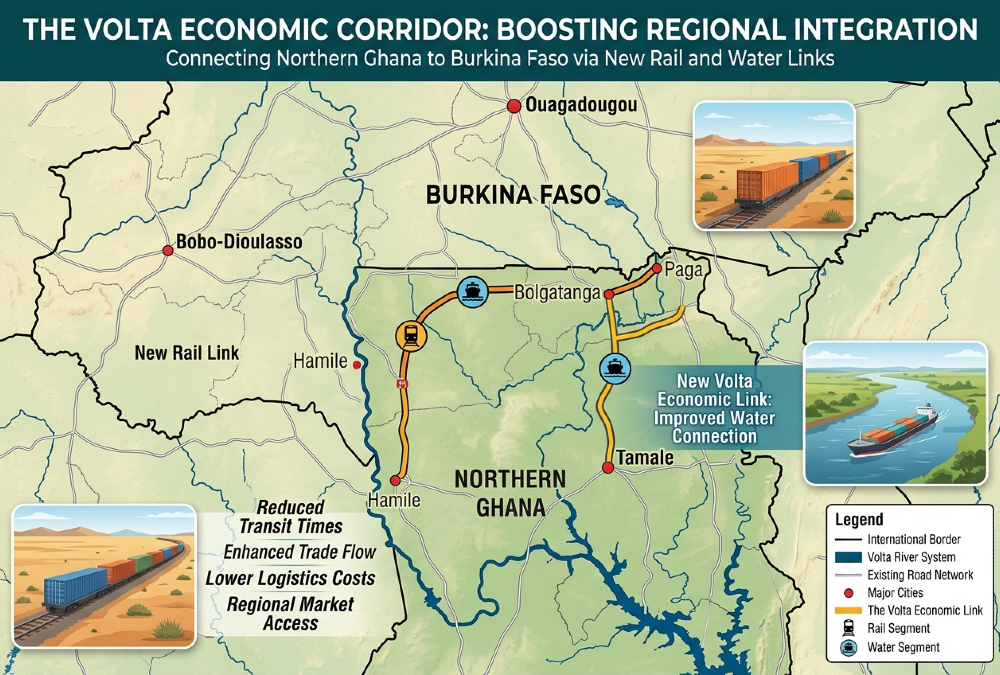
Ghana is executing a dual strategy to revitalize its logistics and agricultural sectors. To integrate with landlocked Sahelian markets, Accra is developing the Volta Economic Corridor, a multimodal network linking northern Ghana to Burkina Faso via new rail and inland water transport. The International Finance Corporation has committed US$200 million to the project, advancing a broader shift from road to rail freight.
Simultaneously, Ghana is overhauling its cocoa financing model. Following the collapse of the international syndicated loan system that funded the sector for three decades, the state-owned Ghana Cocoa Board (COCOBOD) is seeking US$1.4 billion from domestic investors. The new program, managed by Cocoa Capital PLC, will issue short-term commercial paper to pay farmers and longer-term bonds to refinance legacy debt.
This pivot carries significant risk. COCOBOD still owes licensed buyers approximately US$347 million from the previous season, and the 2026-2027 cocoa harvest is projected to fall by 16 percent due to crop disease, adverse weather, and illegal gold mining. A delayed season start and recent cuts to official farmer prices further highlight the sector’s fragility.
Ultimately, Accra must convince local investors to back a heavily indebted agricultural sector while ensuring debt servicing does not cannibalize the funds needed to keep cocoa flowing to global markets.
