
Business
Ghana Halts Raw Gold Exports to Capture More Value at Home
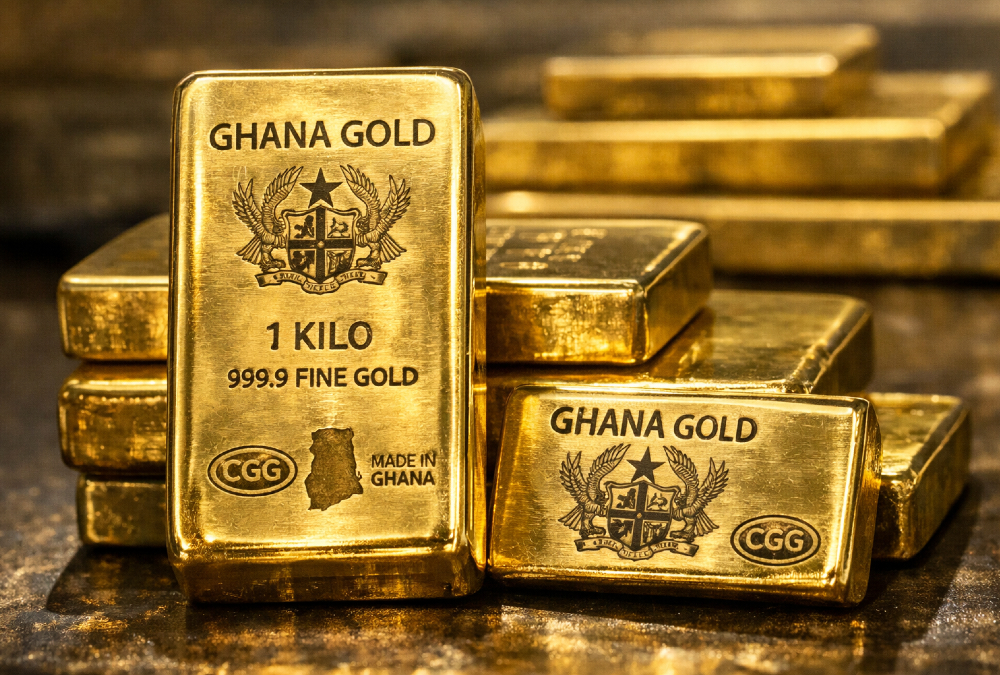
Starting February 1, 2026, Ghana will require all gold to be refined domestically before export – a strategic shift to retain value, boost revenue, and reduce environmental harm from illegal mining.
Africa’s top gold producer has signed a deal between the state-run Ghana Gold Board and Gold Coast Refinery Limited to launch local processing at an initial capacity of one metric ton per week. The government will hold a 15 percent free carried interest in refinery profits.
All bars will bear official Ghanaian hallmarks to improve traceability and deter smuggling, with technical support from South Africa’s Rand Refinery ensuring compliance with London Bullion Market Association standards.
The policy aims to stabilize the cedi by centralizing foreign-exchange earnings, create jobs in refining and jewelry manufacturing, and end chronic undervaluation of Ghana’s gold – previously assayed and priced abroad. A May 2025 ban on foreign traders purchasing directly from artisanal miners further consolidates state oversight.
Ghana’s move aligns with a broader African push for mineral value addition. Botswana, Burkina Faso, and others are similarly restricting raw exports to build domestic processing capacity and capture more of the global commodities value chain.
