
Life
Ebola: West African Health Ministers hold emergency meeting in Ghana
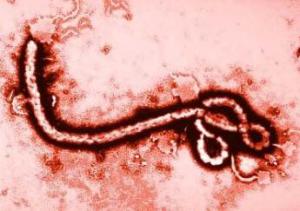
The Ebola outbreak in three West African countries is already the deadliest to date with over 500 fatalities, and is expected to be the longest on record. West African health ministers have met in Ghana to draw up a regional response to the outbreak of disease.
There is no cure for the deadly disease caused by the Ebola virus which has an incubation period of two to 21 days and starts with fever and fatigue before descending into headaches, vomiting, violent diarrhea and then multiple organ failure and massive internal bleeding.
Ebola was first reported in 1976 and is named for the river where it was recognized. The virus can be transmitted through direct contact with the blood or secretions of an infected person, or objects that have been contaminated with infected secretions.
Ebola kills more than half of its victims and treatment largely consists of keeping the patient hydrated as the disease runs its course. Combating Ebola is a matter of stopping its spread by educating people on how to protect themselves and isolating the sick and dead — since corpses are still contagious — and figuring out who the infected had contact with in order to isolate them as well.
The first case of the outbreak was identified in Guinea on March 21 and since then there have been a total of 396 cases – it has spread beyond the remote rural areas to the capital city of Conakry. Experts say the outbreak may have begun as far back as January. Ebola typically begins in remote places and it can take several infections before the disease is identified, making a precise start date virtually impossible to pin down.
Education has been the main strategy of fighting the spread and Guinea has used radio and television spots telling people how to stay safe from the disease and urging them to immediately go to hospitals if they are sick. One of the main goals is to explain to people how to deal with the dead: Washing the corpse of a victim before burial, as is customary, can transmit the disease.
Volunteers, including survivors of the disease have been recruited in the campaign to educate people, which is also targeting community and religious leaders. Treatment centers have been set up in the outbreak areas and regional health officials are working to boost the capacity of the labs needed to confirm the virus’s presence.
