
Life
Ebola: The hard lessons learned in East Africa, that can be applied in West Africa
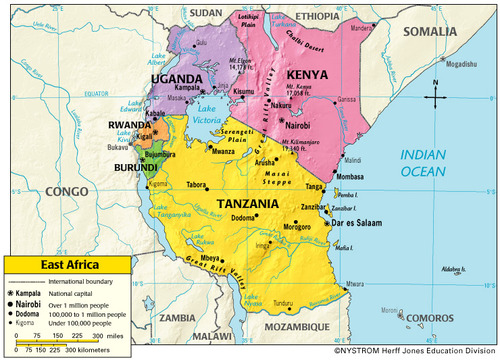
When Ebola hit Uganda two years ago, the country’s president quickly went on national TV and urged Ugandans to avoid touching each other. Health officials speedily quarantined people. The quick reactions by authorities and ordinary people helped snuff out that outbreak with 17 deaths.
Over the decades, Ebola cases have been confirmed in 10 African countries, including Congo where the disease was first reported in 1976. But until this year, Ebola had never come to West Africa. When people began dying there in March in an outbreak that on Friday escalated into an international public health emergency, governments and ordinary citizens did not know what they were confronting or how to respond, allowing the virus to spread out of control.
Some 5 months ago, in southern Guinea, people began developing fevers with body aches, diarrhea and vomiting, which are some of the symptoms of the virus. Others might also progress to internal and external bleeding. Even when they died, relatives touched and washed the dead, unaware that cleaning up vomit, diarrhea and handling soiled clothing is very risky because the virus spreads through contact with bodily fluids.
At first malaria was believed by some families to be the cause of death. As more people became gravely ill, some desperate relatives took their loved ones to the capital in search of better medical care. People who came into contact with those who showed symptoms also became infected, and they in turn infected other people as they travelled freely. Soon, people in the capital, Conakry, were getting sick.
By late March, Doctors Without Borders announced that Guinea faced an “unprecedented epidemic” of Ebola. In early April, fear was sweeping through not only Guinea but neighboring Liberia, where deaths had also started occurring.
“It took them time to realize it was Ebola,” said Ugandan government epidemiologist Francis Adatu, who has been involved in tackling Ebola outbreaks in Uganda. “There was a delay in zeroing in and knowing that it is an Ebola epidemic. If you have Ebola contacts freely walking in the villages, then you have a serious problem,” he added.
The West Africa outbreak also escalated because it affected cities and people are moving fairly freely across borders. In most past Ebola outbreaks, the people who got infected were in remote communities. Local health authorities initially had no idea what they were dealing with and there was no community trust of the aid workers who encouraged isolation of patients from their families.
