
Life
Diversity an elusive goal for Pittsburgh police force
Thirty-six recruits will enter the city’s police academy today. Marlin Avant is the only one who is black…
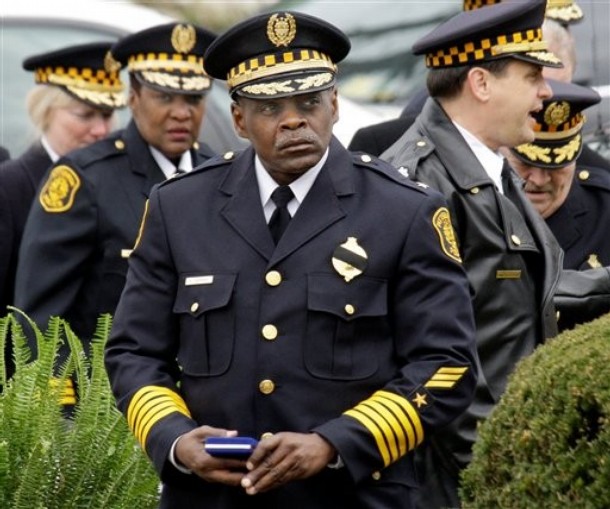
Thirty-six recruits will enter the city’s police academy today. Marlin Avant is the only one who is black.
His journey from the son of a Braddock police officer to an officer himself on the streets of Pittsburgh is a rare success story in the city’s long standing struggle to diversify a historically white department, which will become even whiter with the addition of the new recruits.
Also a Navy veteran who served in Iraq, Mr. Avant, 34, is exactly the kind of candidate the city seeks but who hardly ever makes the ranks. Even after a record 280 minorities applied for police jobs in 2008, the last time the city gave a civil service test, just 51 were eligible for this year’s class. Of those, many failed a physical fitness test. Others never showed up. And the majority found other opportunities, moved away or simply lost interest during the more than two years it took the city to assemble a new class of recruits.
Even Mr. Avant, who had long hoped to serve the community through police work, grew discouraged when he didn’t make the cut for a class formed in 2009 and heard nothing until he received a letter earlier this year inviting him to try again.
“I thought, ‘Maybe I’m not supposed to do this,'” he said. “I was very frustrated. I just wanted to get a career going. I wanted to continue to serve. I figured I was a minority and I can really relate to the community.”
The police bureau has long struggled to reflect the community it serves. Blacks represent less than 17 percent of the 856-member police force, and, by census estimates, more than 25 percent of the city. More than 82 percent of city officers are white, compared to 68 percent of city dwellers. Hispanics account for 2.2 percent of the city, and there are just four Hispanic officers. There are also four Asian officers in a city that is 3.5 percent Asian.
“The numbers aren’t where we’d like them to be,” city Public Safety Director Michael Huss said. “We have done a lot, but we are still not getting across the goal line.”
That a lone black recruit will join the ranks is “extremely, extremely concerning,” said Detective Brenda Tate, who joined the bureau in 1979 during a quota-based hiring system that forced the city to hire in groups of four; one black man, one black woman, one white man, one white woman, and stemmed from a lawsuit alleging discriminatory practices.
Recruit classes have become less and less diverse since 1991, when a federal judge ordered an end to the system, which had been in place for 15 years. Hiring is now based on written and oral civil service tests, and the bureau builds its candidates based on those who score the highest.
