
Business
Akinwumi Adesina, the man behind the reviving and mordernizing of Nigeria’s agriculture and breaking the “oil curse”
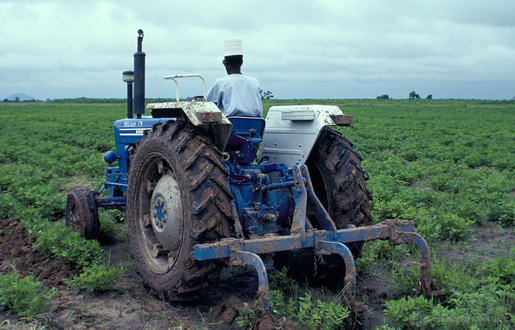
Farmer tends to his crops in South Western Nigeria
Nigeria is the second largest grower of citrus fruit in the world after China and yet it spends US$200 million a year on imported fruit juice while its own produce rots, Adesina revealed.
It also produces 1.5 million tonnes of tomatoes annually of which 45 percent perish, while consumers spend US$360 million on tomato paste imported from countries such as Italy and China.
To succeed, Adesina’s reforms will need to reverse the inadvertent damage done to the sector by Africa’s earliest and biggest oil and gas boom, which crowded out other commodities.
In the 1960s, Nigeria was the biggest exporter of peanuts in the world and had 27 percent of the palm oil trade. It remains one of the world’s top cocoa growers, but production and bean quality have declined since their heyday in the 1970s.
While sections of the economy grew rapidly as a result of the booming energy sector, millions of mostly subsistence farmers were given little or no help at all. The result: Nigeria is now the world’s second largest importer of rice and the biggest buyer of U.S. wheat, while much of its own fertile land lies fallow.
A booming population has sent its food import bill rocketing to around US$11 billion a year – equivalent to more than a third of the federal budget.
Agriculture also offers the best chance to cut national unemployment, which stands at 23 percent – youth unemployment double that.
