
News
African leaders meet for ‘last push’ on African Union reforms
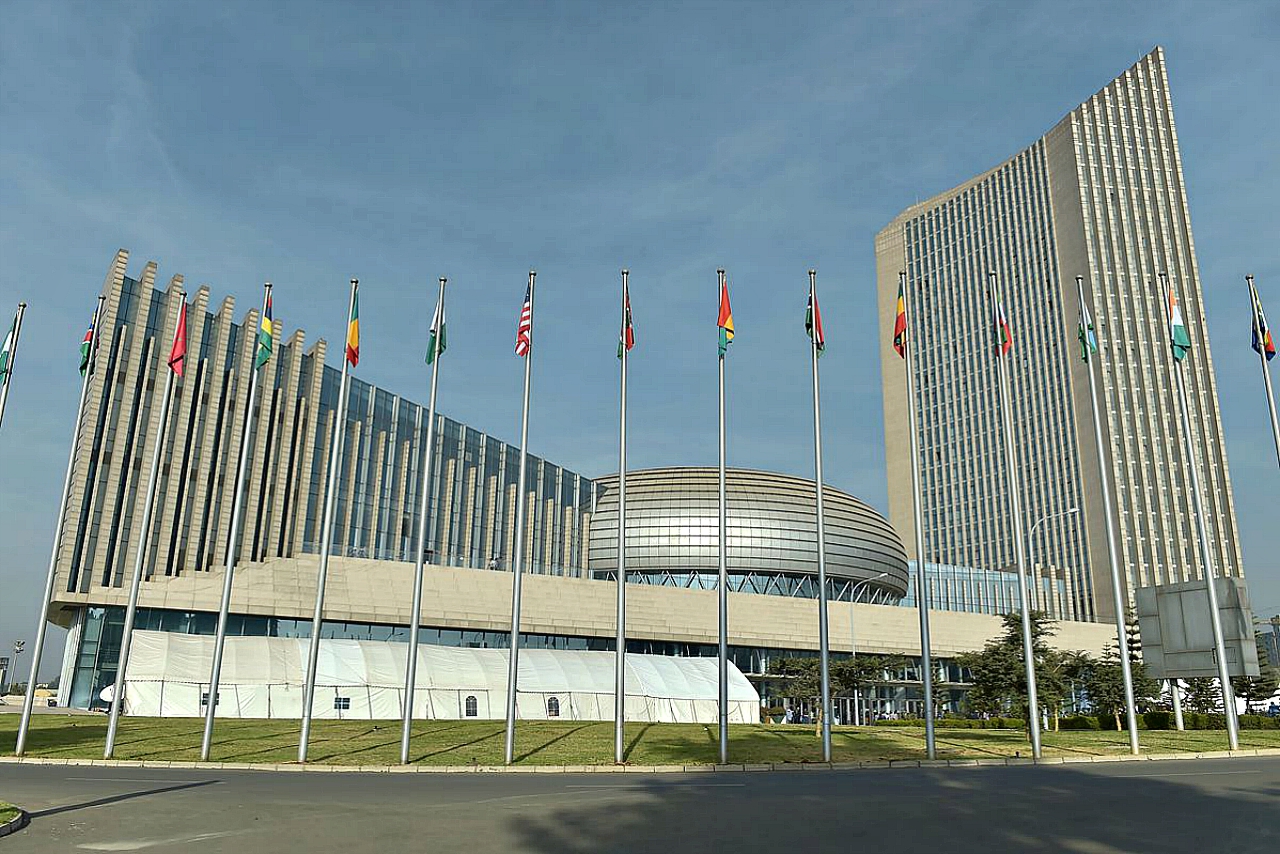
AFP | African leaders are set to gather this weekend for a special summit aimed at pushing through long-debated reforms to their pan-continental body.
The changes seek to streamline and empower the African Union (AU) – an ambitious call for an organization often seen as toothless and donor-dependent, and analysts say time for forging a deal is short.
Egypt, which will assume the chairmanship of the AU early next year, has little interest in the reforms, they say.
The special summit is being held at AU headquarters in Addis Ababa this Saturday and Sunday at the insistence of Rwandan President Kagame – the pioneer of the reforms.
Elissa Jobson, head of African advocacy for the International Crisis Group (ICG) think tank, described the talks as a “last push” to enact as many changes before Kagame’s one-year term as chairperson expires in January.
“The concern there is that Egypt is very unlikely to push the reforms forward, even if it does not try to reverse them,” she said.
Funding
Long criticized for redundant bureaucracy and ineffectual decisions, the AU put Kagame in charge of reforming the body in 2016. His proposals include weaning the AU off foreign donor funding and cutting down on the number of summits and commissions.
But more than 2 years and 5 AU summits later, analysts say key states still are not on board with the reforms.
Prospects for an agreement this week will depend on who shows up, they say.
“We will have to see how many heads of state come, and that will determine the success of the summit – which will determine the success of the reforms in any way,” said Liesl Louw-Vaudran, a consultant with the South Africa-based Institute for Security Studies (ISS).
So far Botswana, Comoros, Ghana, Togo, South Africa, and Zimbabwe have confirmed they will be sending their presidents.
Mozambique and Nigeria will be sending foreign ministers, while other AU members have yet to indicate who will attend.
Reform
Created in 2002 following the disbanding of the Organization of African Unity, the AU comprises all 55 African countries, with a budget in 2016 of US$417 million.
The AU has been credited with taking a stand against coups, sustaining a peacekeeping mission in Somalia and laying the groundwork for a continental free trade area. But critics say the body has kept quiet over rights abuses and relied on the UN or nations outside Africa to sanction the continent’s rogue governments.
Kagame’s proposals include paring down the AU’s priorities to a handful of key areas like security, politics and economic integration. At the same time, the AU would transition to relying on African states to fund most of its budget rather than the foreign donors it currently depends on.
Some reforms have already been agreed: earlier this year, heads of state assented to reducing the number of AU summits to 1 per year from 2.
Jobson said just under half of African countries have also agreed to implement a 0.2 percent import levy to fund the union, while the rest will find another way to pay up.
No decisions have been made yet on Kagame’s other proposals, such as putting the commission’s chairperson, currently former Chadian foreign minister Moussa Faki Mahamat, in charge of appointing his or her deputy and commissioners. This is partially because many of the more powerful African countries have reservations about giving the AU the ability to make decisions for them, Louw-Vaudran said. “They don’t want to cede any sovereignty to the AU commission. They still see it as a kind of secretariat that carries out what the heads of state decide,” she said.
