
Life
Stop Herpes in it’s tracks
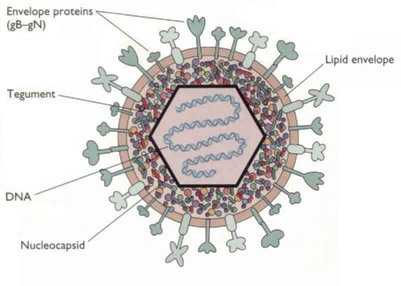
The March 2010 report from the Centers for Disease Control and Prevention (CDC) sited startling high levels of the genital herpes virus among African American women between the ages 14 and 49. The report found that 48 percent of African-American women have been exposed to the virus that causes genital herpes.
While we are not going to debate whether or not this statistic is true, it is important that we address this problem and work to eliminate its presence.
What is Herpes and how is it transmitted?
The Herpes simplex infection is a worldwide epidemic. A sizeable percentage of the American
population has genital herpes and the number of people that have oral herpes is much higher. A huge percentage of adult humans have dormant herpes viruses in their bodies.
The herpes virus is almost always transmitted through skin to skin contact, sexual or non-sexual. Even when there are no obvious lesions on the skin, some individuals continue to shed the herpes virus and can still infect others. Kissing is the most common mode of transmission of oral herpes. The disorder features periodic flare-ups of painful or itching blisters and sores around the mouth, face and genital regions, sometimes accompanied by fever and other symptoms of infection.
The virus evades the immune system, and it retreats along nerve fibres to nerve cells near the brain or spinal cord, where it lies dormant. Sometimes, the virus will remain in this state indefinitely, causing no apparent harm. Often however, it is awakened periodically by changes in body chemistry due to stress, diet, illness, a weakened immune system, menstruation, overexposure to sunlight, sexual activity or other causes.
The virus then travels down the nerve fibres, back to the same area where it first appeared causing another episode of sores and blisters. These breakouts can occur, however tend to reduce with time.
Herpes is considered incurable because there is no vaccine or drug that effectively destroys the virus. The current antiviral drugs only try to limit the multiplication of the virus with varying degrees of success.
Only recently, researchers at the Massachusetts Institute of Technology (MIT) announced the development of a drug that identifies virus-infected cells and kills those cells to abort the infection. The costs and possible side effects of such a drug are yet unknown and it may be a decade before it will be available to the public.
