
Business
Zimbabwe to Ban Lithium Concentrate Exports by 2027 in Push for Value Addition
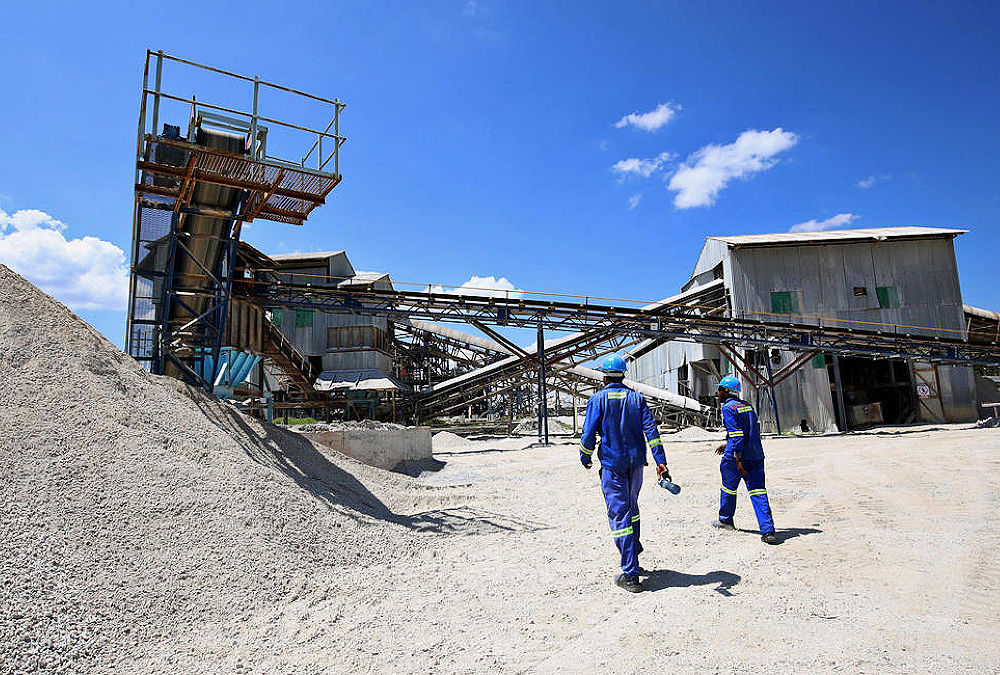
Zimbabwe, Africa’s largest lithium producer with output reaching 2.4 million tons of lithium concentrate in 2024, has announced plans to halt exports of unprocessed lithium by January 2027. The move is aimed at boosting domestic value addition and capturing greater economic returns from its rich lithium reserves.
The decision was unveiled by Mining Minister Winston Chitando on Tuesday, June 10, who stated that the ban aligns with ongoing efforts to develop local lithium processing infrastructure. Notably, Chinese firms Sinomine and Zhejiang Huayou Cobalt are currently constructing lithium sulfate processing plants at the Bikita and Arcadia mining sites, respectively.
Lithium sulfate, derived from refined lithium concentrate, serves as a key precursor in the production of high-value battery-grade materials such as lithium carbonate and lithium hydroxide – essential components for electric vehicle (EV) batteries and energy storage systems.
“As new processing capacity comes online, we will no longer permit the export of raw lithium concentrate,” Chitando declared. “Effective January 2027, all lithium concentrate exports will be prohibited.”
The government had previously called on all lithium producers to submit proposals for building their own sulfate processing facilities. While this option remains available, the minister also encouraged mining companies to enter into toll-processing agreements with firms operating the new plants.
The policy shift underscores Zimbabwe’s broader strategy to move up the mineral value chain. Currently, raw lithium concentrate fetches around US$570 per ton, while processed, battery-grade lithium carbonate commands over US$7,000 per ton on the Shanghai Metals Market – a stark contrast that highlights the economic incentive behind the ban.
This announcement follows recent lobbying by mining firms urging the government to delay the implementation of a 5 percent export tax on lithium concentrate until processing plants are fully operational – expected by 2027. As of now, the government has not responded to these requests.
With global demand for lithium surging amid the clean energy transition, Zimbabwe’s move signals a strategic effort to position itself not just as a resource-rich nation, but as a growing player in the international battery supply chain.
