
Business
Landlocked Kingdom Of Lesotho Pulls Off Sushi Export To Japan
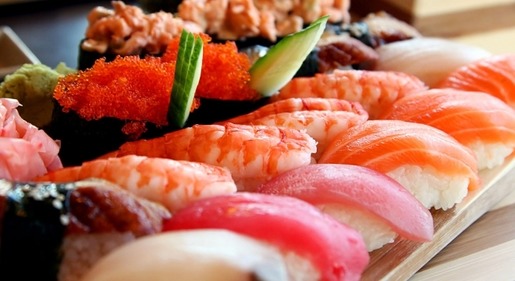
The idea of Japanese consumers eating sushi exported from a tiny African country with no coastline may sound improbable, but the kingdom of Lesotho is pulling it off. Hatched in the boardroom of South African bullion producer Gold Fields, a project called Highlands Trout is now exporting 2,000 tonnes of rainbow trout a year, mainly to Japanese supermarket chain CGC.
It is even by-passing Tsukiji, Tokyo’s massive wholesale fish market, usually the first destination for fish imported to Japan, to sell the trout directly to the retail market in a country where consumer standards for sushi are the highest. “We managed to bypass Tsukiji because of the quality of the trout and the relationship we built and the approach we took and so we went straight into retail,” said project manager Stuart Slabbert.
“Made in Africa sushi” is a new twist in the African/Asian trade story, offering hope that a poor, land-locked country can tap its natural resources to produce and export a high-value product to discerning consumers. It also highlights the limits of global trade as the jobs created in rural Lesotho, while welcome, cannot compensate for the loss of jobs for migrant labor in South Africa’s mines, long the mainstay of Lesotho’s economy.
A mountainous country, completely encircled by South Africa, Lesotho supplies water to its much bigger neighbor. Peering down at the blue waters of the Katse Dam from Lesotho’s green mountains, one thinks of the fjords of Chile or Norway, top fish farming nations famed for their pink salmon.
The Japanese market is always on the lookout for sushi alternatives as global wild tuna populations decline. In this regard, the Japanese appetite for Lesotho trout is not unlike China’s hunger for African resources, including farmland to help feed a population growing in size and wealth.
Slabbert says Highlands Trout, which has been exporting to Japan since late 2012, now hopes to expand its annual output of 2,000 tonnes as Lesotho’s trout-handling capacity – between Katse, another dam and one in the works – is expected to reach 10,000 tonnes a year. By way of contrast, South Africa, with its massive coastline along two oceans, has an aquaculture industry that produces around 4,000 to 4,500 tonnes per year.
TROUT OR TUNA?
A Gold Fields’ task team hit upon the idea of farming trout in Lesotho in around 2007 as part of a South African government scheme to support development in countries that supply migrant labour to South Africa. In the 1970s, around 70 percent of Lesotho households had men working as migrants in South Africa, the vast majority of them underground.
