
Life
Kenyans bid farewell to laureate Wangari Maathai
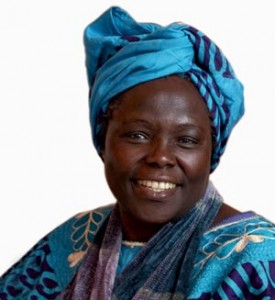
Maathai said during her 2004 Peace Prize acceptance speech that the inspiration for her life’s work came from her childhood experiences in rural Kenya. There she witnessed forests being cleared and replaced by commercial plantations, which destroyed biodiversity and the capacity of forests to conserve water.
After Kenya’s former President Daniel arap Moi left government, Maathai served as an assistant minister for the environment and natural resources ministry.
Although the tree-planting campaign launched by her group, the Green Belt Movement, did not initially address the issues of peace and democracy, Maathai said it became clear over time that responsible governance of the environment was not possible without democracy.
Maathai’s work was quickly recognized by groups and governments the world over, winning awards, accolades and partnerships with powerful organizations.
Maathai was the first woman to earn a doctorate in East Africa, in 1971 from the University of Nairobi, where she later was an associate professor in the department of veterinary anatomy. She previously earned degrees from Mount St. Scholastica College, now Benedictine College, in Atchison, Kansas, and the University of Pittsburgh.
Maathai is survived by three children.
Copyright 2011 The Associated Press.
