
Life
Henrietta Lacks finally gains recognition as source of HeLa cells
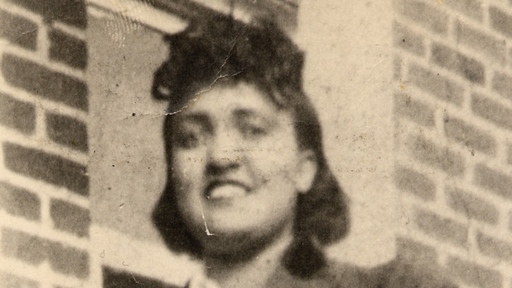
Lacks, a mother of five, was 31 when she died of an aggressive cervical cancer at Johns Hopkins Hospital in Baltimore, Maryland in 1951.
The cells taken from Lacks, dubbed HeLa for the first letters of her first and last names, caused great excitement in scientific circles: they were the first-ever human cells to grow endlessly in the lab – all others harvested up to this point eventually died.
“HeLa cells are considered one of the biggest medical miracles in the last century,” said a statement from the University of Washington in Seattle, which on Wednesday published a genome sequence of the cells in the journal Nature under the terms of the new agreement.
“The cells allowed scientists to perform experiments without using a living human and led to major medical breakthroughs”, including a vaccine for certain types of cervical cancer and drugs for herpes, leukemia, influenza and Parkinson’s disease.
Lacks’ identity was revealed in a scientific journal in 1971, followed by a television documentary in 1997 and the publication in 2010 of a book, “The Immortal Life of Henrietta Lacks”, now being made into a film.
Then in March this year, scientists from the European Molecular Biology Laboratory in Germany published a full genome of the cell line – including data that could divulge certain heritable traits of Lacks’ descendants.
Such information, which may point to a propensity for diseases like alcoholism, Alzheimer’s disease or bipolar disorder, could be used to deny people life insurance or disability coverage, and the data was removed from public fora within days after the family protested.
