
Life
Charles “Teenie” Harris, legendary photographer
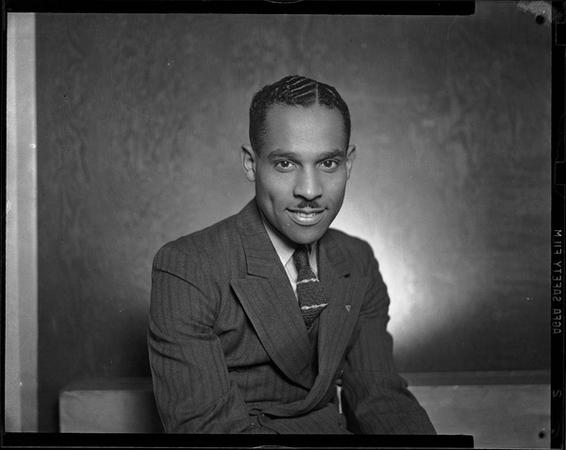
“He had a very strong personal desire to complete a positive view of African-Americans and counter the negative stereotypes in the white press. On the other hand, there’s nothing sugarcoated,” said Lippincott.
Glasco adds that Harris took pictures of very poor people without exaggerating their situation.
“You can look at them and say, ‘These are real people; they happen to be very poor.’ They’re more than those clothes they’re wearing. They were first and foremost a person.”
One picture shows a little girl with a big smile sitting on the floor of a newsstand, reading a comic book with a small dog on her lap.
A key piece of history that Harris and the Courier covered heavily was African-Americans who served in World War II and returned home demanding that they be accorded rights equal to white soldiers, sailors, and airmen.
“The drive for civil rights really began in World War II,” Lippincott said, far earlier than many imagine.
Yet the photographs are more than just a rich trove of mid-century American history. They emerge as art because Harris became a master of composition and for decades took each picture with a large-format camera that had to be hand-loaded with a single piece of film for each shot.
“I remember being just shocked and amazed at what an incredible photographer he was. He just had this incredible eye,” said Nelson, who noted that Harris earned the nickname “One Shot” for his ability to deliver an assignment with one photograph.
